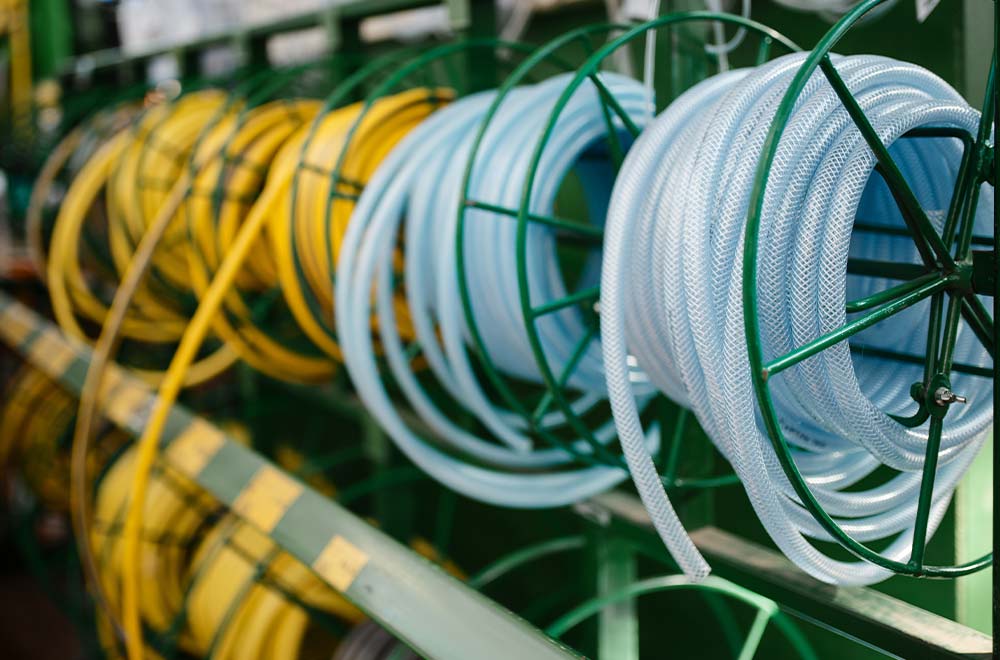
Reinforced PVC hoses are made from a blend of polyvinyl chloride (PVC) and reinforcing materials, typically polyester yarn or high-density PVC spirals. The addition of this reinforcing layer significantly improves the hose’s tensile strength, pressure rating, and kink resistance. The reinforcing PVC layer is usually sandwiched between two layers of PVC material, creating a robust yet flexible hose capable of withstanding high pressure and extreme temperatures without deforming or cracking.
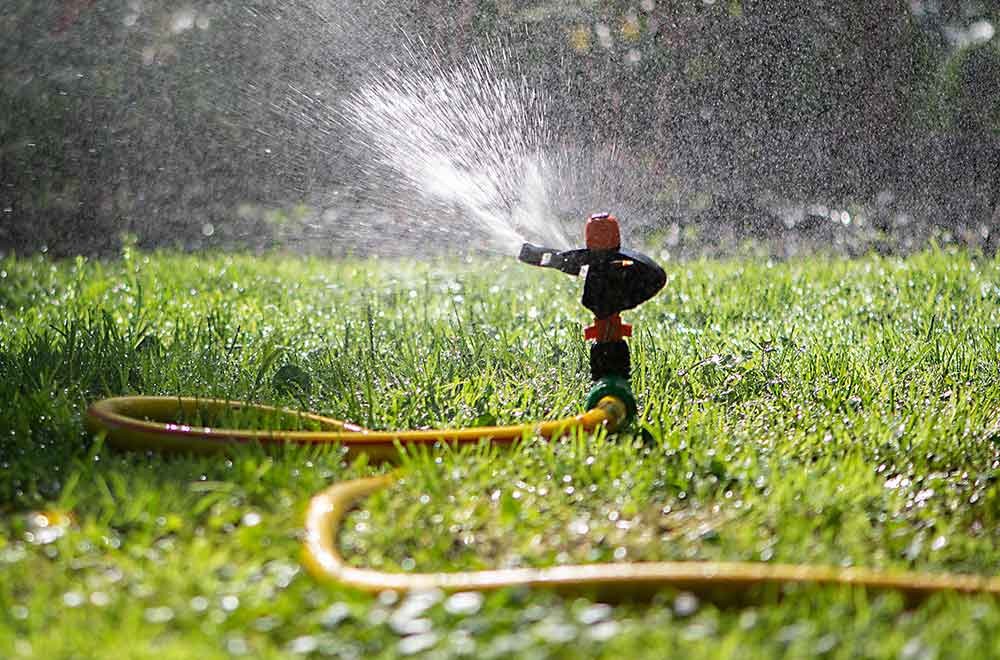
The inner layer of reinforced PVC hoses is designed to be smooth to minimize friction and resistance to liquid or gas flow. This characteristic is crucial in applications where fluid transport is critical, such as food processing, the chemical industry, or gardening. The smooth inner surface also prevents the buildup of residues or bacteria, making reinforced PVC hoses ideal for hygienic applications.
The Impact of Reinforcement on Durability
The reinforcing material of a PVC hose is critical to its durability and performance. Polyester yarn, due to its high tensile strength, abrasion resistance, and flexibility, is commonly used as the reinforcing layer in reinforced PVC hoses. The cross-linked structure of the yarn provides structural support to the hose, preventing it from expanding or contracting under pressure.
In contrast, standard PVC hoses lack a reinforcing layer, making them more prone to kinking, twisting, and crushing under high pressure or heavy loads. This vulnerability can lead to hose leaks, ruptures, and premature failure, compromising their durability and effectiveness in a variety of applications.
Some reinforced PVC hoses feature a high-density PVC spiral structure, offering superior resistance to compression and flexibility, suitable for applications requiring the hose to withstand external forces or rough handling. The spiral structure provides additional structural support and protection, ensuring its service life and reliability in harsh environments.
Factors Affecting Durability
Many factors influence the durability of reinforced PVC hoses, including material quality, manufacturing processes, and compliance with industry standards. High-quality PVC resin and reinforcing materials are crucial for ensuring hose life and performance. Inferior materials can lead to premature hose wear, chemical degradation, and reduced flexibility, thus decreasing hose durability.
The manufacturing process also plays a vital role in the durability of reinforced PVC hoses. Proper extrusion, curing, and testing procedures must be employed to maintain the hose’s integrity and strength. Quality control measures such as pressure testing, tensile strength testing, and visual inspection help identify defects or weaknesses in hoses before they are put into use.
Compliance with industry standards and regulations is another factor affecting the durability of reinforced PVC hoses. Hoses that meet or exceed the requirements of agencies such as the U.S. Food and Drug Administration (FDA), the National Sanitation Foundation (NSF), or Underwriters Laboratories (UL) are more likely to maintain durable, safe, and reliable performance for their intended use.