Table of Contents
When it comes to compressed air systems, the air hose is one of the most critical components, yet it is often overlooked. As a manufacturer of PVC air hoses, we understand how the right hose can improve productivity, reduce downtime, and ensure safety in industrial and workshop environments. In this guide, we will walk you through everything you need to know about PVC air hoses, including how they are made, how to choose the right type, how they compare to other materials, and how to maintain them for long-term performance.
What Are PVC Air Hoses and Why They Matter in Industrial Settings
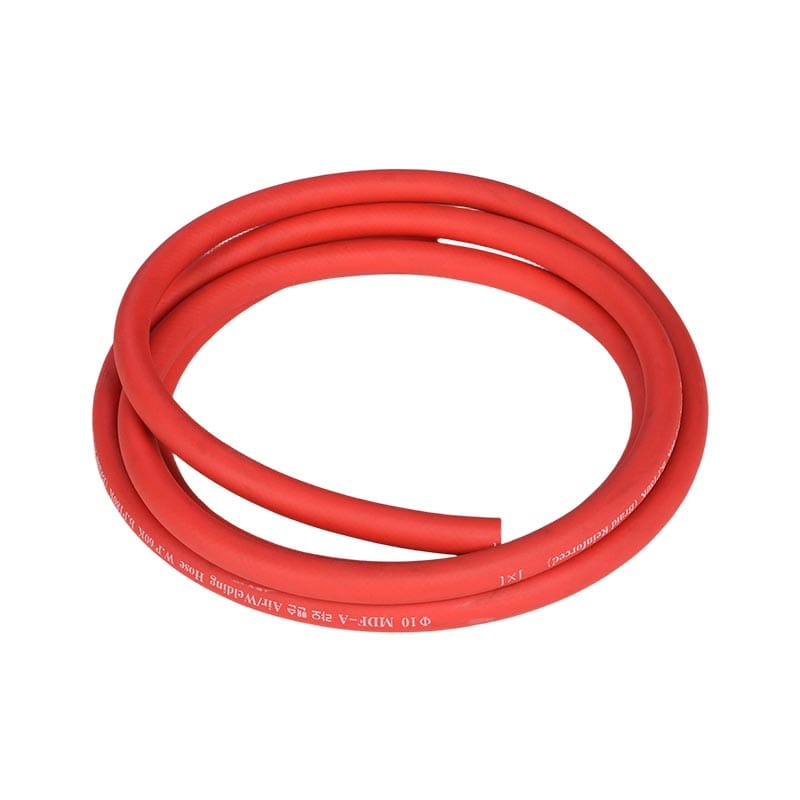
PVC air hoses are flexible tubes made from polyvinyl chloride (PVC) designed to transport compressed air from the air compressor to pneumatic tools or equipment. They are widely used in industries such as manufacturing, construction, automotive repair, and woodworking because they are lightweight, durable, and cost-effective.
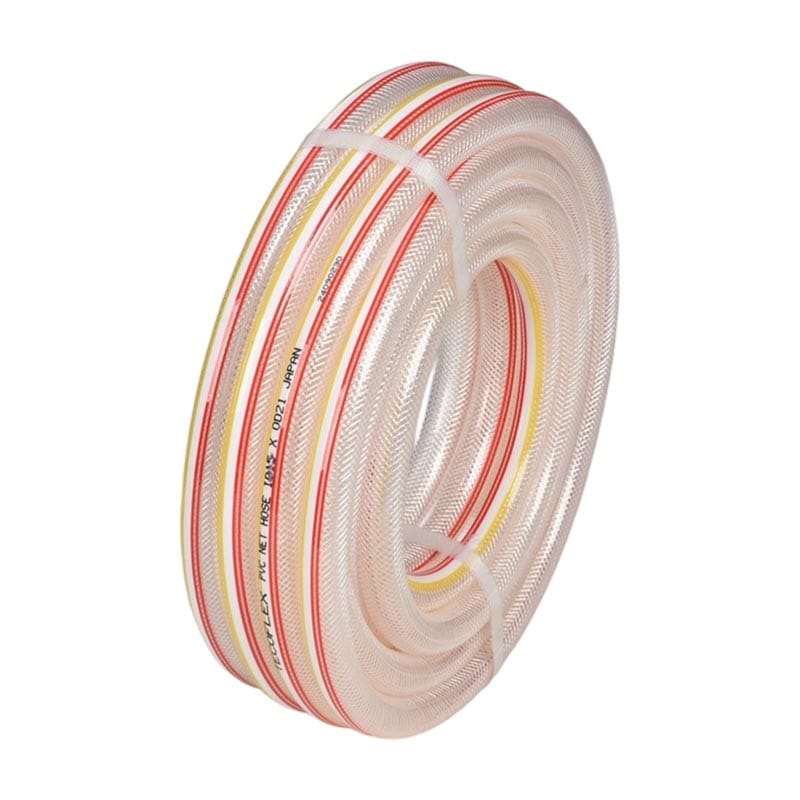
Compared with other hose materials, PVC offers a good balance of flexibility and strength. PVC air hoses are often reinforced with polyester yarn or braided mesh to increase their pressure rating and resistance to abrasion. For industrial settings, this means fewer hose failures and less frequent replacement, which directly impacts operational efficiency.
In a typical production environment, air hoses are used for powering pneumatic tools, operating air cylinders, and supplying air to spray guns and air blow guns. Because compressed air is a common utility in many industries, choosing a reliable air hose is essential for maintaining consistent performance.
PVC Air Hose Types: How to Choose the Right One for Your Needs
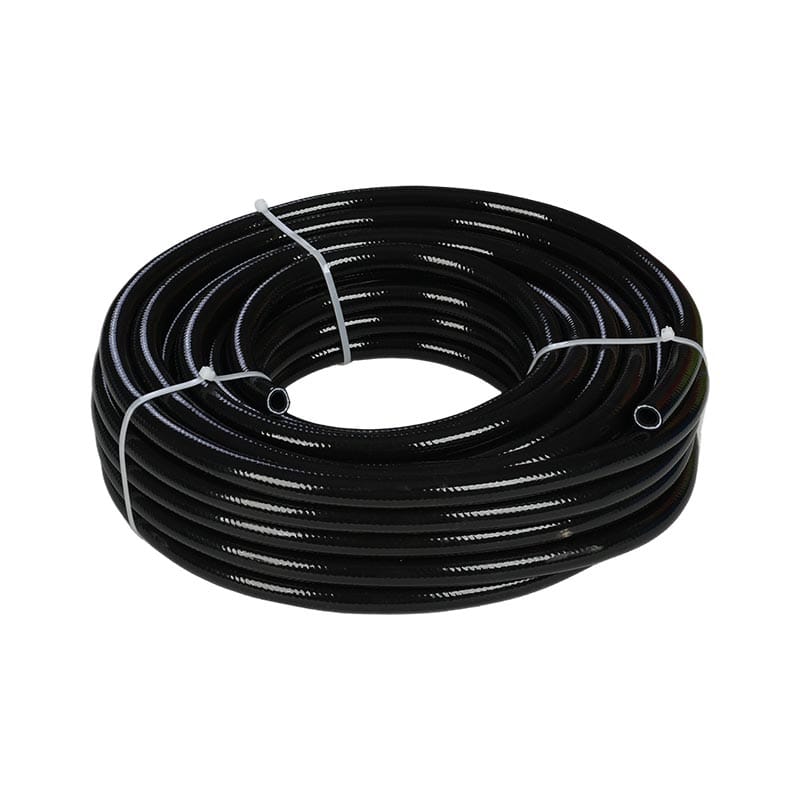
Choosing the right PVC air hose starts with understanding the differences between the types available in the market. As a manufacturer, we produce a variety of PVC air hoses tailored to specific applications:
Clear PVC Air Hoses vs Colored PVC Air Hoses
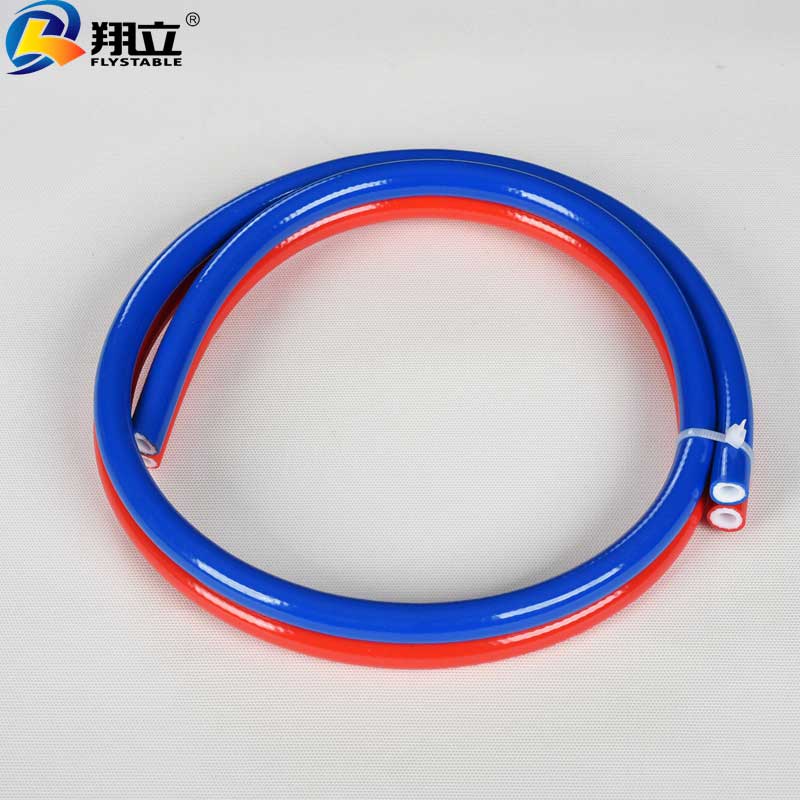
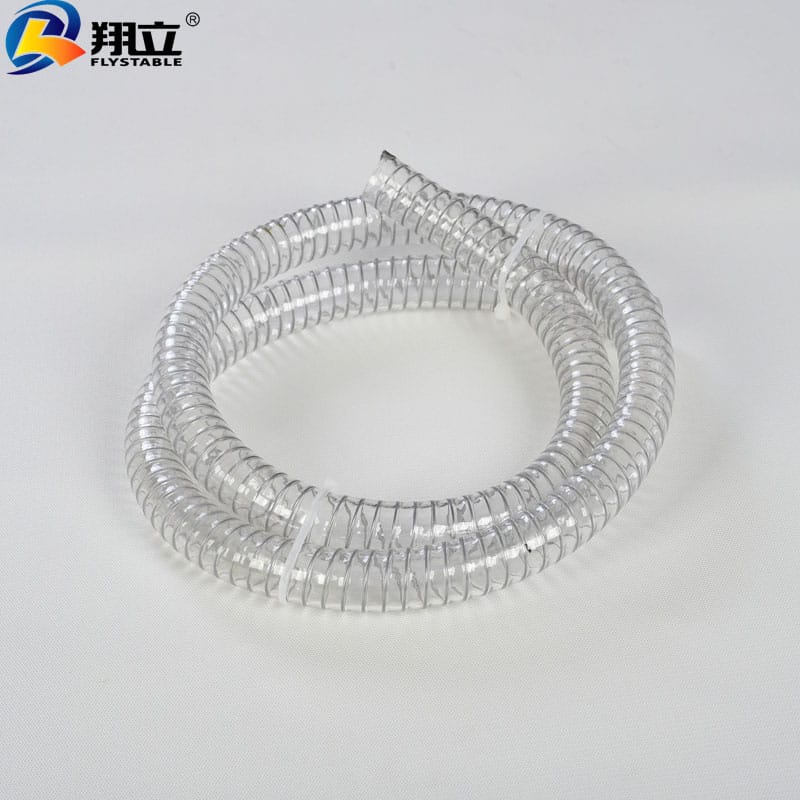
Clear PVC air hoses are often preferred in laboratories, food processing, and cleanroom environments because they allow users to visually monitor air flow and detect moisture or contaminants. Colored PVC hoses, on the other hand, are commonly used in workshops and construction sites for easy identification and organization.
PVC Air Hose With Fittings vs Without Fittings
Some applications require quick-connect fittings, while others may need customized connectors. We offer PVC air hoses with standard fittings such as quick couplers, threaded connectors, and push-to-connect fittings. Choosing a hose with the right fittings can reduce installation time and prevent air leakage.
Standard PVC Air Hose vs Braided / Reinforced PVC Air Hose
Standard PVC air hoses are suitable for light-duty tasks and general-purpose use. Reinforced PVC hoses, reinforced with braided polyester or mesh, are designed for higher pressure applications and are more resistant to kinking and abrasion. For industrial use, reinforced PVC hoses are usually the recommended choice due to their improved durability.
PVC Air Hose Sizes and Pressure Ratings Explained
A common question we receive from customers is how to choose the correct hose size and pressure rating. The right size and pressure rating ensure that pneumatic tools receive enough air volume without excessive pressure drop.
Common Sizes
PVC air hoses typically come in these standard sizes:
- 1/4 inch
- 3/8 inch
- 1/2 inch
- 5/8 inch
The choice depends on the air flow requirements of your equipment. Smaller diameters are suitable for light tools, while larger diameters are needed for high-demand tools like impact wrenches and air sanders.
Pressure Ratings
PVC air hoses are rated by their maximum working pressure. Common ratings include:
- 300 PSI
- 600 PSI
- 1000 PSI
For safety and performance, it is important to select a hose whose working pressure is higher than the maximum pressure of your air compressor.
Matching Hose Size to Air Compressor Output
When selecting a hose, it is essential to consider the compressor’s output in CFM (cubic feet per minute) and the tool’s air consumption. A hose that is too small can restrict airflow, causing a drop in tool performance. Conversely, a hose that is too large may be unnecessary and harder to handle.
PVC Air Hoses vs Other Materials: Rubber, PU, Nylon
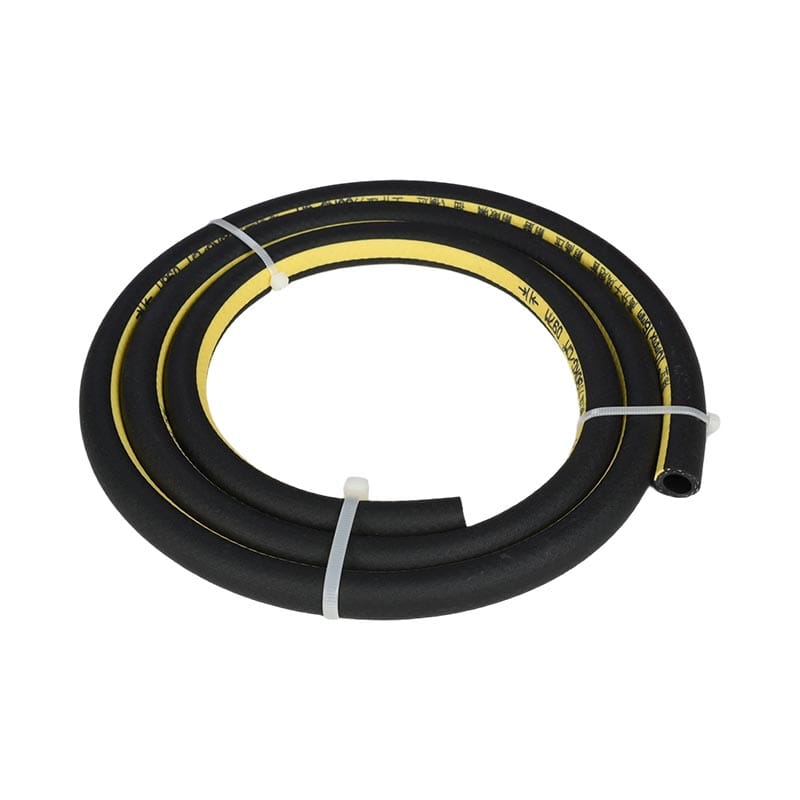
Choosing the right material is another key factor in air hose selection. While PVC is a popular choice, other materials such as rubber, PU (polyurethane), and nylon are also widely used.
PVC vs Rubber Air Hose
Rubber hoses are known for their high flexibility and durability, especially in harsh conditions. However, PVC hoses are generally lighter, easier to handle, and more cost-effective. PVC hoses are also resistant to many chemicals and can be produced in various colors for easy identification.
PVC vs Polyurethane (PU) Air Hose
PU air hoses are extremely flexible and resistant to kinking. They are often used in workshops where frequent movement is required. PVC hoses are more rigid but can be reinforced for higher pressure and durability. If you need a hose that can withstand rough handling and heavy-duty use, reinforced PVC is a strong option.
PVC vs Nylon Air Hose
Nylon hoses are lightweight and strong, but they can be less flexible than PVC. PVC air hoses offer a balanced combination of flexibility, strength, and cost. For general industrial use, PVC is often the preferred choice.
How PVC Air Hoses Are Made
As a manufacturer, we focus on producing high-quality PVC air hoses with consistent performance. The manufacturing process typically includes the following steps:
- Raw material selection: We use high-grade PVC resin that ensures flexibility and durability.
- Extrusion: PVC material is extruded into a hose tube.
- Reinforcement: Depending on the product, the hose may be reinforced with polyester yarn or braided mesh.
- Cooling and shaping: The hose is cooled and shaped to the required diameter.
- Quality control: Each batch undergoes testing for pressure rating, flexibility, and abrasion resistance.
Quality control is critical because the hose must maintain performance under pressure and repeated use. As a manufacturer, we also provide OEM/ODM services for customers who require customized lengths, colors, and fittings.
How to Install PVC Air Hose with Fittings and Connectors
Proper installation is important to avoid leaks and ensure a safe air system. Here are key steps to install PVC air hose correctly:
Choosing the Right Couplers and Connectors
Select fittings that match your hose size and compressor outlet. Common fittings include quick couplers, NPT threaded connectors, and push-to-connect fittings.
Step-by-Step Installation Guide
- Cut the hose to the desired length using a clean, straight cut.
- Attach the fitting securely using a clamp or crimp ring (depending on the fitting type).
- Check for any visible gaps or loose connections.
- Test the system under pressure to confirm there are no leaks.
Common Installation Mistakes to Avoid
- Using the wrong size fitting
- Over-tightening the connector, which can damage the hose
- Using a hose that is too long, causing unnecessary pressure drop
Maintenance Tips to Extend the Life of Your PVC Air Hose
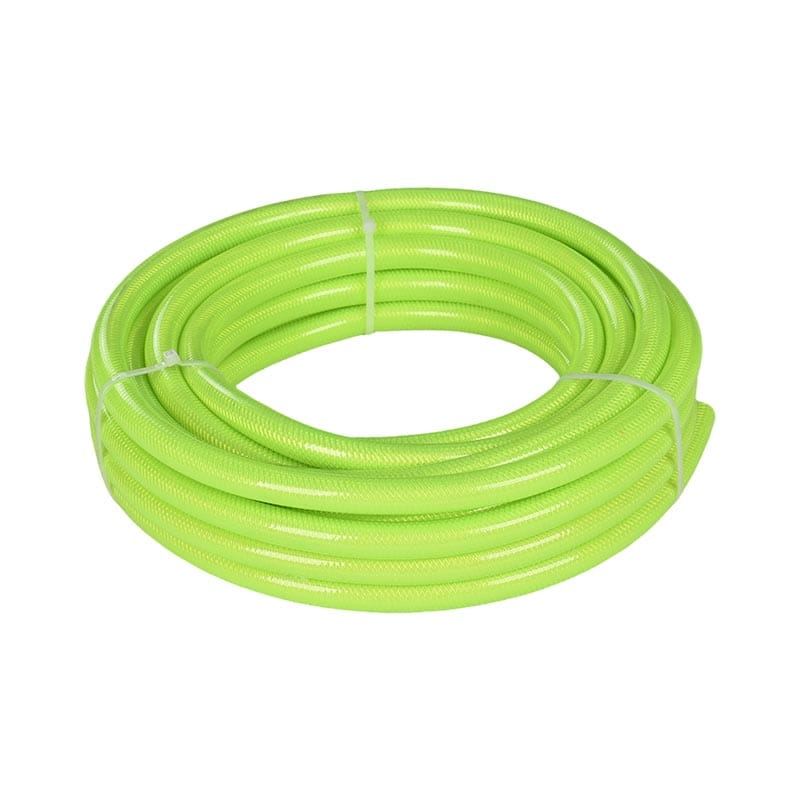
Proper maintenance can extend the life of your PVC air hose and reduce replacement costs.
Proper Storage
Use a hose reel to store the hose and prevent kinks. Avoid sharp bends and store the hose in a cool, dry place away from direct sunlight.
Cleaning and Inspection Routine
Regularly inspect the hose for cracks, abrasion, or wear. Clean the hose surface to remove dust and debris that can cause damage over time.
Preventing Leaks and Cracks
Avoid dragging the hose over rough surfaces and do not expose it to excessive heat. If you notice air leaks, replace the hose or repair it using a repair kit.
Common PVC Air Hose Problems and How to Fix Them
Even the best hoses can encounter issues. Here are common problems and solutions:
Air Leaks and Pressure Drops
Leaks are often caused by loose fittings or damaged hose sections. Check the fittings and tighten them if needed. If the hose is damaged, replace the section or the entire hose.
Kinks, Cracks, and Abrasion
Kinks can reduce airflow and cause internal damage. Use a hose reel and avoid sharp bends. Cracks and abrasion are signs of wear; replace the hose if these appear.
When to Repair vs When to Replace
Repair is suitable for minor leaks or damaged fittings. If the hose shows multiple cracks or severe abrasion, replacement is the safer choice.
Why Choosing the Right Manufacturer Makes a Difference
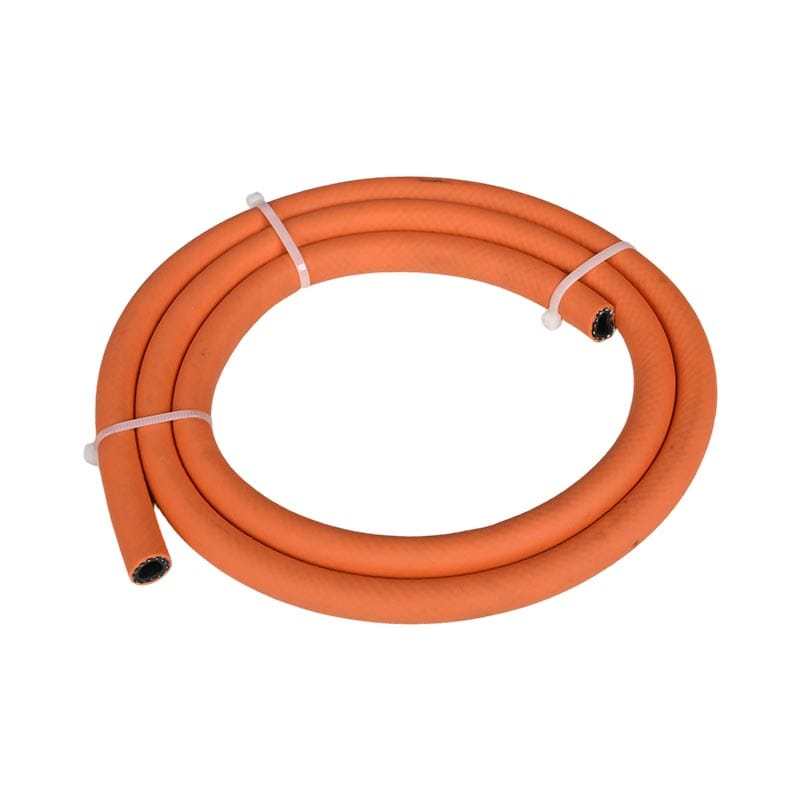
Selecting a reliable manufacturer is key to ensuring product quality and consistent supply. As a PVC air hose manufacturer, we prioritize:
- Quality assurance: Testing each batch for pressure rating and durability
- Custom solutions: OEM/ODM services for specific needs
- Stable supply: Large production capacity and fast delivery
- Safety standards: Ensuring hoses meet industry requirements
Choosing a trusted manufacturer ensures that your air hose will perform reliably, reducing downtime and maintenance costs.
Conclusion
PVC air hoses are a reliable and cost-effective solution for industrial and workshop applications. As a manufacturer, we emphasize quality control, consistent performance, and customized solutions to meet diverse needs. By choosing the right hose type, size, and fittings, and maintaining it properly, you can improve system efficiency and reduce downtime. If you are looking for high-quality PVC air hoses or custom OEM options, feel free to contact us for a quote or more product details.
FAQ
Are PVC air hoses safe for pneumatic tools?
Yes, PVC air hoses are safe when used within their pressure rating and temperature range. They are commonly used for air compressors and pneumatic tools.
What is the temperature range for PVC air hoses?
PVC air hoses typically perform well in moderate temperature environments. For extreme conditions, choose hoses designed for high or low temperature resistance.
Can PVC air hoses be used with air compressors for automotive use?
Yes, PVC air hoses are commonly used in automotive repair shops for air tools, tire inflation, and spray painting.
What is the difference between PVC and PU air hose?
PU air hoses are more flexible and resistant to kinking, while PVC hoses are more cost-effective and can be reinforced for higher pressure applications.
How long should a PVC air hose last with normal use?
With proper use and maintenance, PVC air hoses can last several years. Lifespan depends on usage frequency, environment, and storage conditions.