جدول المحتويات
مقدمة
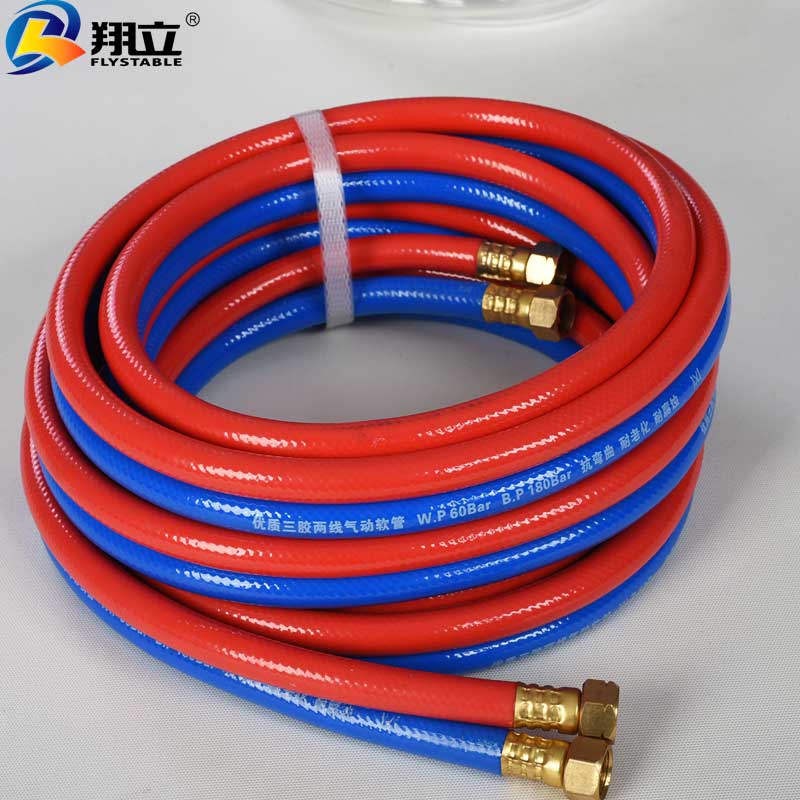
Welding hoses are an essential component in any welding setup, whether for industrial fabrication or smaller workshop projects. Selecting the right welding hose not only ensures smooth and efficient welding but also guarantees safety and long-lasting performance. As a manufacturer specializing in high-quality welding hoses, we understand the importance of proper selection, maintenance, and usage. In this article, we will provide a comprehensive guide on welding hoses, including types, applications, maintenance tips, and buying recommendations to help you make informed decisions.
Understanding Welding Hoses and Their Applications
What Are Welding Hoses?
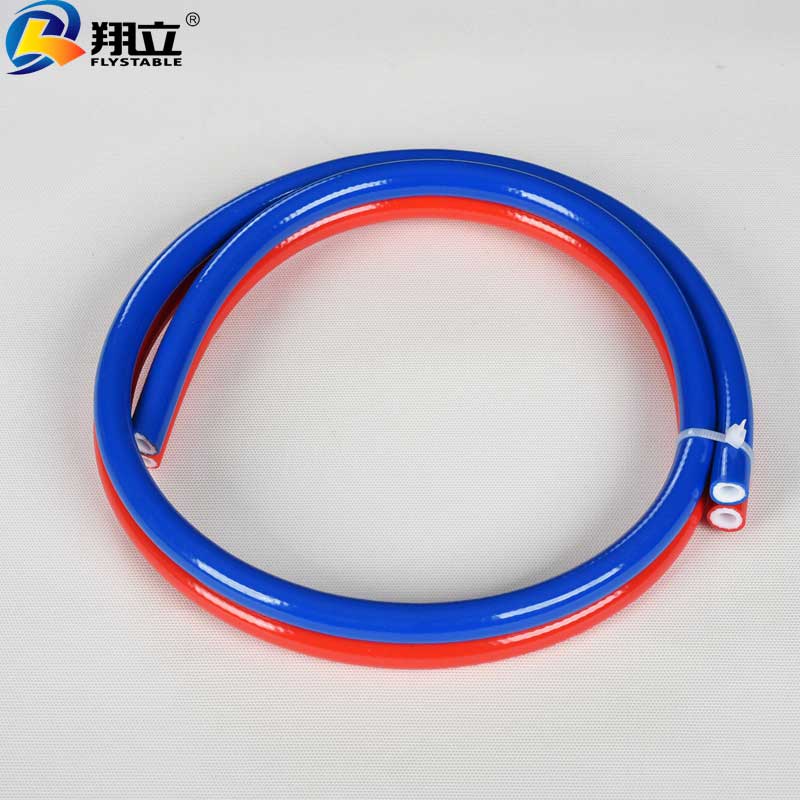
A welding hose is a flexible tube designed to safely transport gases such as oxygen and acetylene from regulators to welding torches. They are made from durable materials such as rubber or PVC, capable of withstanding high pressure, extreme temperatures, and wear from regular use. Proper welding hoses are essential to maintain consistent gas flow and prevent leaks or accidents.
Common Applications in MIG, TIG, and ARC Welding
Welding hoses are used across various welding types, including MIG, TIG, and ARC welding. MIG and TIG welding require precise gas delivery for clean welds, while ARC welding often demands hoses that can endure higher temperatures and industrial wear. In workshops and factories, welding hoses also connect to cutting torches, plasma machines, and other gas-dependent equipment.
How Welding Hoses Affect Welding Performance
The quality of a welding hose directly impacts the welding process. A flexible and durable hose ensures smooth gas flow, reducing interruptions and improving weld quality. Conversely, hoses that are worn, kinked, or improperly rated for pressure can compromise performance, leading to uneven welds, gas leaks, or equipment damage.
Types of Welding Hoses
Rubber Welding Hoses
Rubber welding hoses are highly durable, flexible, and resistant to heat and abrasion. They are ideal for industrial applications, heavy-duty work, and outdoor environments. Rubber hoses also have superior pressure tolerance, making them suitable for high-demand welding setups.
PVC Welding Hoses
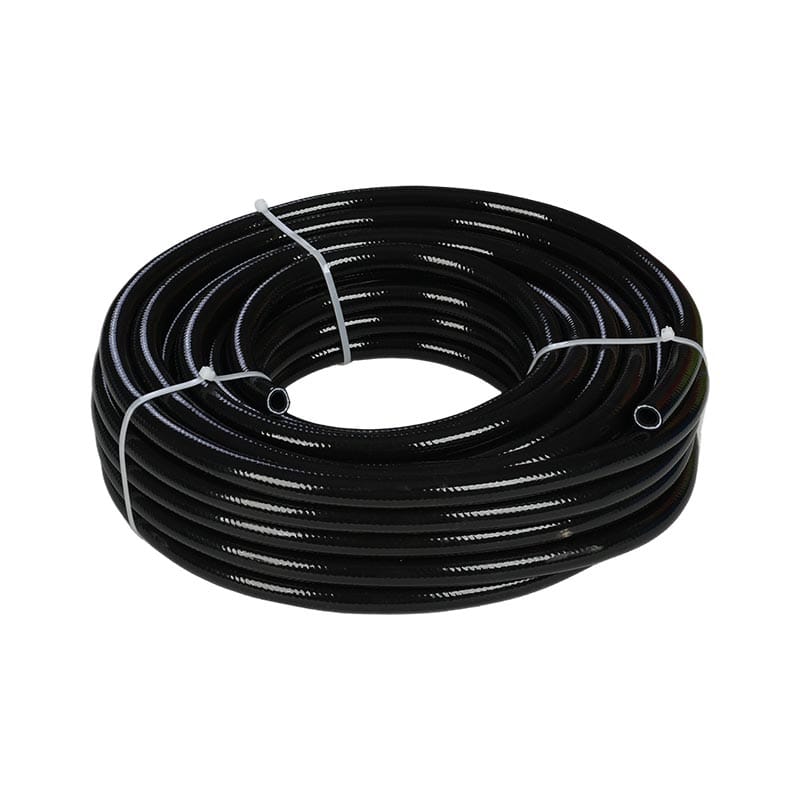
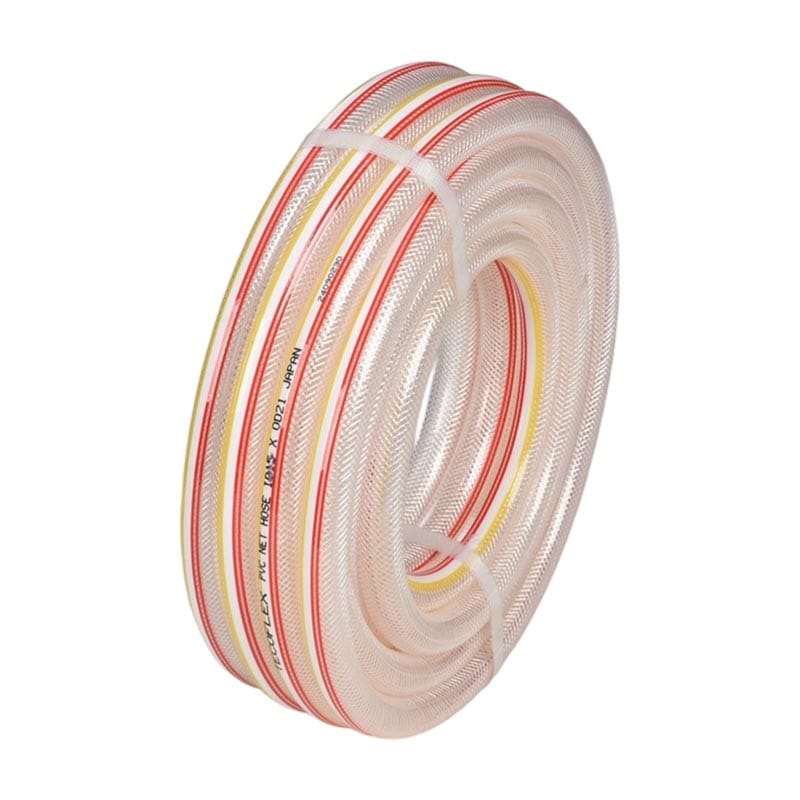
PVC welding hoses are lighter and more cost-effective, making them suitable for smaller workshops or DIY projects. However, they may not withstand extreme temperatures or heavy industrial use as well as rubber hoses.
High-Pressure vs Standard Welding Hoses
Welding hoses are rated for different pressures. High-pressure welding hoses are designed for demanding industrial operations, while standard hoses suffice for smaller or lower-pressure applications. Selecting the correct pressure rating is crucial to ensure safety and efficiency.
| Welding Hose Type | مادة | تصنيف الضغط | Typical Use Case |
|---|---|---|---|
| Rubber Welding Hose | Rubber | High | Industrial, outdoor, heavy-duty |
| خرطوم لحام PVC | PVC | Medium | Workshops, DIY projects |
| High-Pressure Hose | Rubber | Extra High | Heavy industrial welding |
| Standard Hose | PVC/Rubber | Standard | General purpose welding |
كيفية اختيار الخيار المناسب Welding Hoses
Factors to Consider When Selecting Welding Hoses
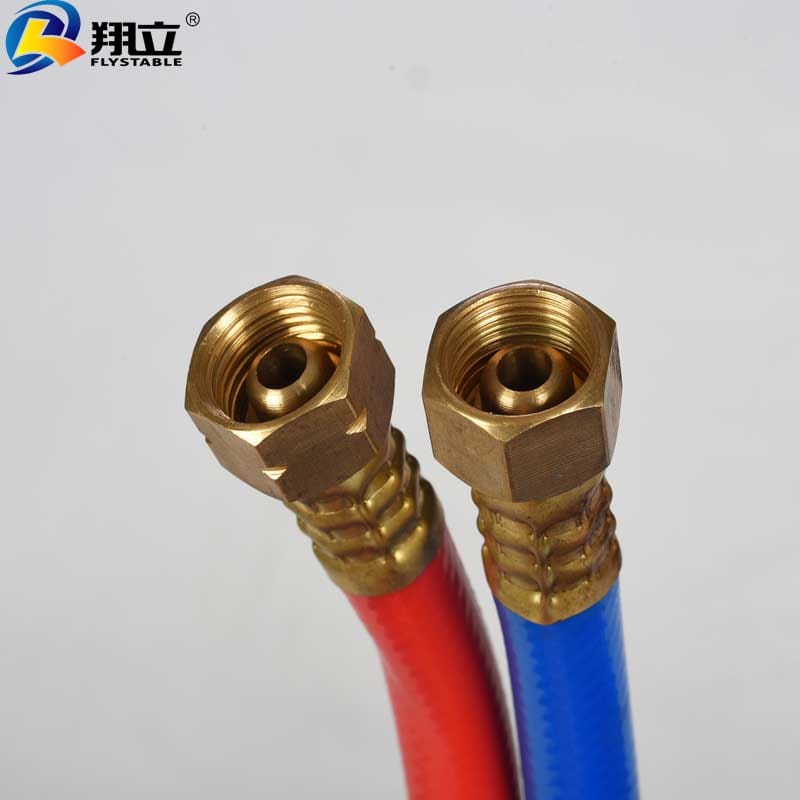
When choosing a welding hose, consider pressure rating, material, flexibility, and compatibility with the gases you plan to use, such as oxygen and acetylene. Length, diameter, and connection fittings also play a critical role in ensuring optimal performance.
Choosing Welding Hoses for Industrial vs Home Use
Industrial welding setups often require hoses with higher pressure ratings, heat resistance, and compliance with safety standards. For home or small workshops, cost-effective hoses with adequate durability and flexibility may suffice.
Welding Hose Safety Tips
Proper use of welding hoses is essential for safety. Always inspect hoses for cracks, leaks, or wear before each use. Avoid exposing hoses to excessive heat, sparks, or sharp edges. Ensure connections are secure, and never exceed the hose’s pressure rating. Regularly check for color coding or markings to confirm the hose is appropriate for the intended gas.
Welding Hoses Maintenance and Longevity
How to Store Welding Hoses Properly
Store welding hoses in a cool, dry location, away from sunlight or heat sources. Coil hoses neatly to avoid kinks or damage. Hanging hoses on designated racks can help maintain their shape and flexibility.
Signs Your Welding Hose Needs Replacement
Replace hoses that show signs of cracking, hardening, leaks, or excessive wear. Using damaged hoses can compromise safety and welding performance.
Cleaning and Care Tips
Clean welding hoses with mild soap and water, avoiding harsh chemicals that may degrade the material. Regular maintenance extends the life of both rubber welding hoses and PVC welding hoses.
Buying High-Quality Welding Hoses
Choosing a reliable manufacturer ensures you receive durable, certified welding hoses. Consider custom welding hoses if you require specific lengths, diameters, or connection fittings. Welding hose kits can simplify setup and include essential accessories such as regulators, connectors, and torch attachments. Purchasing from a reputable supplier guarantees compliance with safety standards and product reliability.
Advanced Welding Hose Technologies
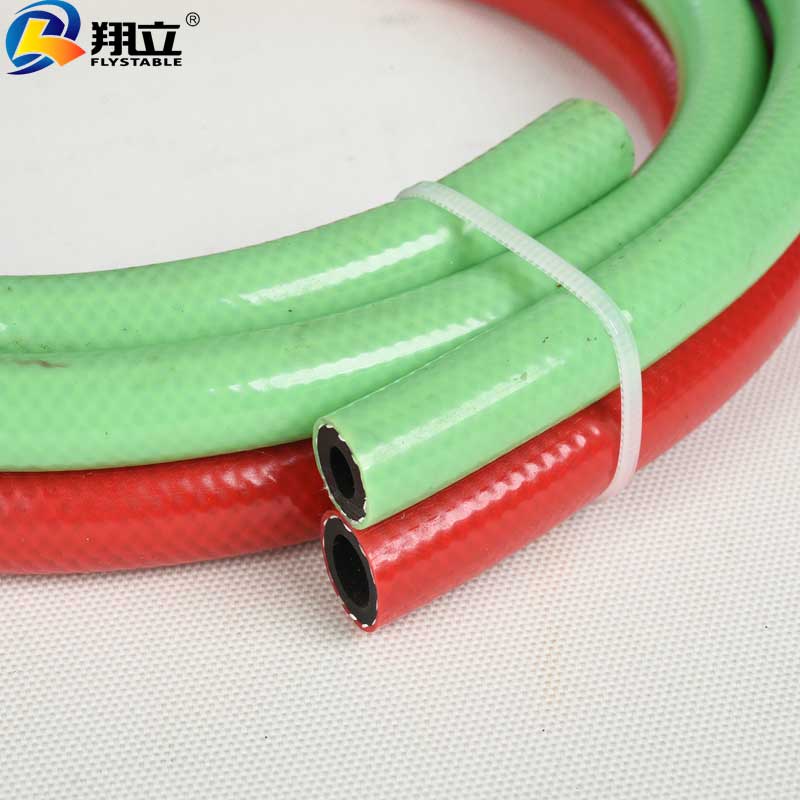
Modern welding hoses incorporate advanced materials and design for enhanced safety and performance. Features include high-pressure resistance, color-coded hoses for gas identification, and improved flexibility for easy maneuvering. Cutting-edge welding hoses can improve efficiency, reduce downtime, and ensure a safer work environment.
خاتمة
Selecting and maintaining high-quality welding hoses is critical for safe, efficient, and reliable welding. As a manufacturer of premium welding hoses, we ensure our products meet the highest standards for durability, flexibility, and safety. Properly chosen and maintained hoses, whether rubber welding hoses, PVC welding hoses, high-pressure hoses, or custom welding hoses, can significantly enhance welding performance while protecting operators. Invest in quality welding hoses today to improve your welding efficiency, reduce downtime, and ensure a safer work environment.
التعليمات
How long do welding hoses usually last?
Most welding hoses last between 3–5 years with proper care, though industrial heavy-duty hoses may have longer lifespans.
Can one welding hose work for both MIG and TIG?
Yes, if the hose is compatible with the specific gases and pressure requirements of both welding types.
How often should welding hoses be inspected?
Hoses should be inspected before each use for wear, leaks, and proper connections.
Are rubber hoses better than PVC hoses for industrial use?
Generally, yes. Rubber hoses offer higher durability, heat resistance, and flexibility.
How to choose the correct welding hose size?
Consider the gas flow rate, distance from the regulator, and the type of welding equipment being used.