Table of Contents
Introduction

In today’s competitive industrial and commercial landscape, selecting the right flexible PVC suction hose can make a significant difference in operational efficiency, workplace safety, and overall business profitability. As a leading manufacturer in the hose industry, we understand that the choice of suction hose isn’t just about moving fluids—it’s about optimizing your entire fluid transfer system while minimizing downtime and maintenance costs.
Flexible PVC suction hoses serve as critical components in diverse applications, from agricultural irrigation and industrial manufacturing to construction site dewatering and food processing facilities. The wrong hose selection can lead to frequent replacements, safety hazards, and operational inefficiencies that directly impact your bottom line. This comprehensive guide will help you navigate the selection process and make informed decisions that align with your specific business needs.
Understanding Flexible PVC Suction Hoses
What Is a Flexible PVC Suction Hose?
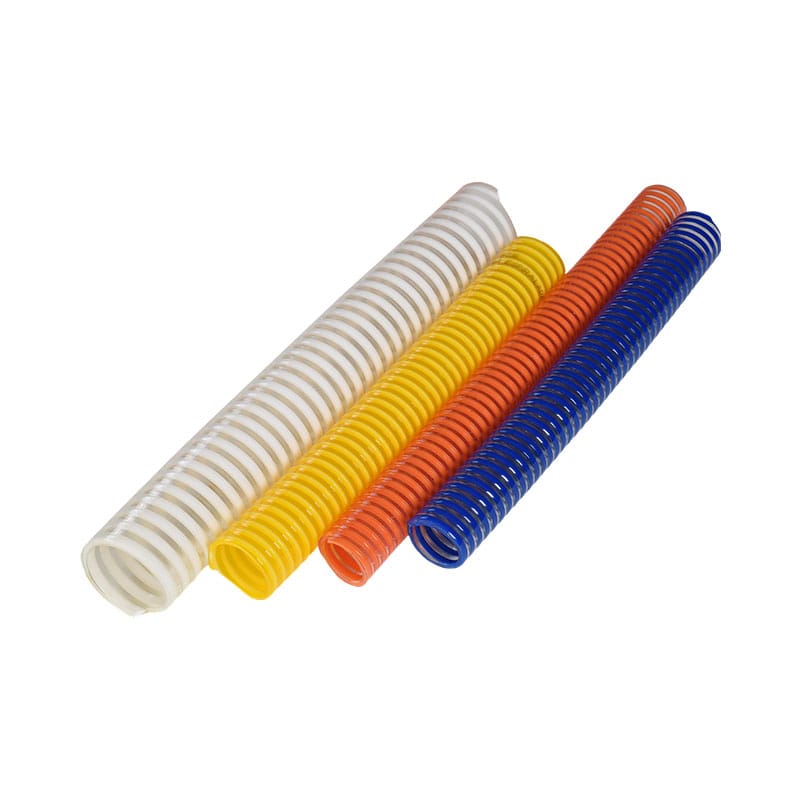
A flexible PVC suction hose is a specialized fluid transfer hose designed to operate under vacuum or negative pressure conditions. Unlike standard discharge hoses, suction hoses must withstand external atmospheric pressure without collapsing, making their internal reinforcement structure crucial for reliable performance.
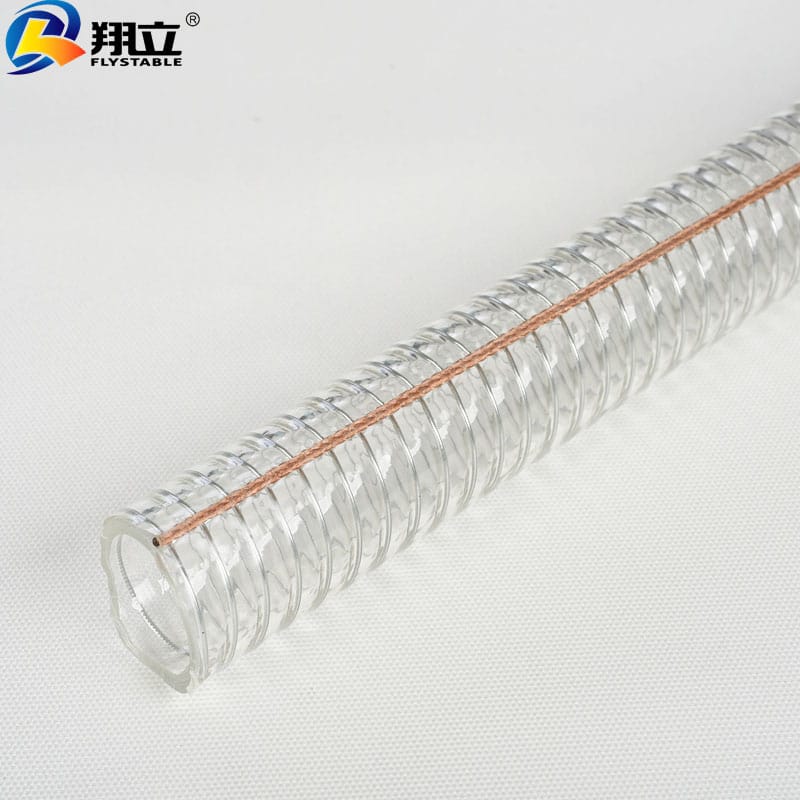
The construction typically consists of three layers: an inner PVC tube that contacts the transferred material, a reinforcement layer (usually spiral steel wire or rigid PVC helix) that provides structural integrity, and an outer protective layer that resists environmental damage. This multi-layer design enables the hose to maintain its shape during suction operations while providing flexibility for easy handling and installation.
When compared to rubber hoses, PVC suction hoses offer significant advantages in terms of weight, cost, and chemical resistance. Rubber hoses generally excel in extreme temperature conditions and heavy-duty applications but come at a premium price point and are significantly heavier. Polyurethane hoses, while offering superior abrasion resistance for dry materials, typically cost more and may not provide the same chemical compatibility as PVC alternatives.
Key Material Properties
The performance characteristics of flexible PVC suction hoses stem from their carefully engineered material properties:
Durability and Flexibility: High-quality PVC compounds provide an optimal balance between durability and flexibility, allowing the hose to withstand regular handling while maintaining the ability to navigate around obstacles. The flexibility reduces installation time and enables efficient routing in complex setups.
Abrasion Resistance: Industrial-grade PVC suction hoses are formulated to resist wear from particulates and debris, extending service life even when used in abrasive applications like slurry transfer or construction site operations.
Chemical Resistance: PVC material naturally resists a wide range of chemicals including acids, alkalis, and many petroleum-based products. This makes these hoses suitable for transferring various industrial fluids without the risk of degradation or contamination.
Temperature Range and Pressure Rating: Standard flexible PVC suction hoses typically operate within a temperature range of -5°C to +65°C, with working pressures varying from 2 to 10 bar depending on the hose diameter and wall thickness. Understanding these specifications is crucial for selecting a hose that matches your operational requirements.
Reinforced vs Non-Reinforced Hoses: While non-reinforced PVC hoses work for low-pressure discharge applications, suction applications always require reinforcement to prevent hose collapse under vacuum conditions. The reinforcement—whether steel wire or PVC helix—provides the structural strength needed to maintain consistent flow rates.
Common Applications of Flexible PVC Suction Hoses
Industrial Uses
Flexible PVC suction hoses have become indispensable in various industrial applications due to their versatility and cost-effectiveness:
Chemical Transfer: In chemical manufacturing facilities, these hoses safely transport mild acids, alkalis, and other non-corrosive chemicals. Their chemical resistance properties make them ideal for applications involving fertilizers, cleaning solutions, and mild industrial chemicals.
Water Suction and Management: Industrial facilities rely on PVC suction hoses for water transfer operations, cooling system maintenance, and emergency water removal. Their lightweight design enables quick deployment and easy handling in industrial environments where mobility matters.
Slurry and Liquid Handling: Manufacturing plants use reinforced PVC suction hoses for handling light to moderate slurries, wastewater, and process liquids. The smooth interior surface minimizes friction loss and prevents material buildup that could affect flow rates.
Heavy-Duty Industrial Operations: Industrial settings demand reliable fluid transfer solutions. PVC suction hoses with fabric reinforcement or helical PVC stiffeners provide the durability needed for continuous operation in demanding industrial environments while maintaining cost advantages over rubber alternatives.
Agricultural and Food Industry Applications
The agricultural sector benefits tremendously from flexible PVC suction hoses:
Irrigation Systems: Farmers use these hoses to draw water from wells, rivers, and storage tanks for efficient irrigation. The flexibility allows easy positioning across fields, while the lightweight nature reduces operator fatigue during deployment and relocation.
Liquid Fertilizer Application: Agricultural operations transfer liquid fertilizers and nutrient solutions using PVC suction hoses. The chemical resistance properties ensure compatibility with various agricultural chemicals without hose degradation.
Food-Grade Applications: For food and beverage industries, specialized food-grade PVC suction hoses meet FDA, USDA, and 3-A sanitary standards. These hoses safely transport potable water, milk, juice, beer, and other consumable liquids without compromising food safety. The transparent design allows visual inspection of the transferred material, adding an extra layer of quality control.
Compliance with Safety Standards: Food-grade PVC suction hoses must comply with specific regulatory requirements including FDA CFR Title 21 Parts 170-199, NSF 51 and 61 certifications, and RoHS compliance. These standards ensure the hoses are safe for direct food contact and won’t contaminate consumable products.
Construction and Utility Applications
Construction sites and utility companies rely heavily on flexible PVC suction hoses:
Water Pumping Operations: Construction projects require efficient water management for dewatering excavations, site drainage, and concrete placement. PVC suction hoses enable contractors to move water quickly and efficiently without the weight and handling challenges associated with rubber alternatives.
Concrete and Sludge Handling: Specialized heavy-duty PVC suction hoses handle concrete slurries, cement additives, and construction site wastewater. The abrasion resistance helps withstand the abrasive nature of these materials while maintaining flexibility for easy maneuvering around job sites.
Portable Suction Systems: Utility companies and emergency response teams use portable suction equipment equipped with PVC hoses for flood control, sewage overflow management, and emergency water removal. The lightweight construction enables rapid deployment in time-sensitive situations.
Site Dewatering: Construction sites require constant water removal to maintain workable conditions. PVC suction hoses connected to trash pumps and dewatering systems efficiently remove water from trenches, foundations, and excavation areas, keeping projects on schedule.
Key Factors to Consider When Choosing a Hose
Diameter and Length
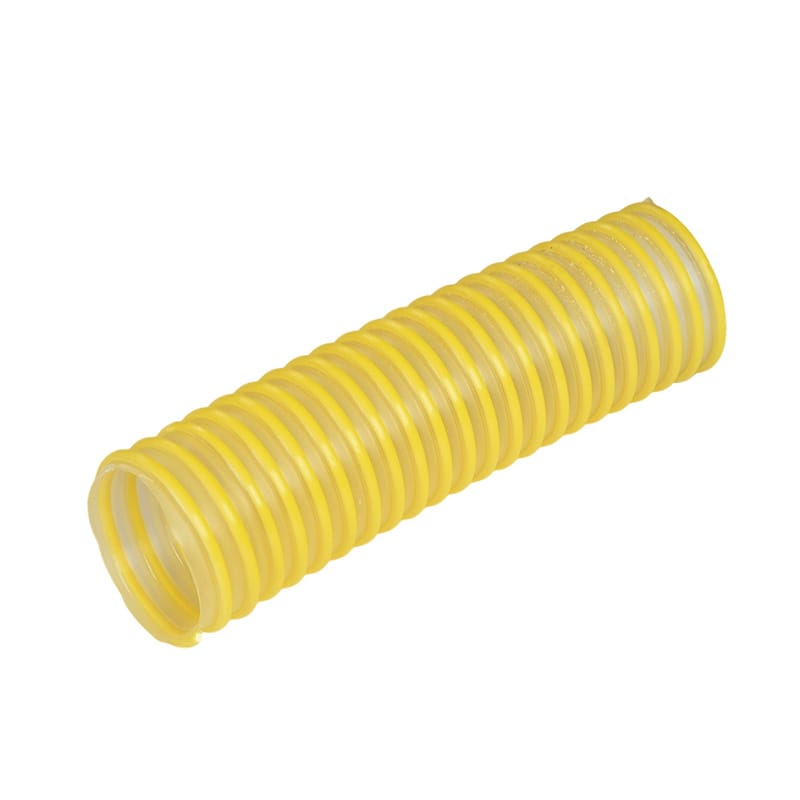
Selecting the correct diameter and length is fundamental to system performance:
Flow Rate Requirements: The hose diameter directly impacts flow capacity. Larger diameters accommodate higher flow rates but may be more expensive and harder to handle. For agricultural irrigation, hoses between 2-4 inches typically provide optimal balance between flow and manageability. Industrial applications may require larger diameters (6-12 inches) for high-volume fluid transfer.
Suction Needs and Lift Distance: Consider the vertical lift your application requires. While PVC suction hoses generally handle lifts up to 25 feet effectively, longer distances may require larger diameters or more powerful pumps. The relationship between diameter, length, and suction capacity follows fluid dynamics principles that your supplier can help calculate for your specific setup.
Length Selection: Hose length affects both performance and practicality. Longer hoses increase flexibility in positioning but may reduce suction efficiency due to friction losses. Standard coil lengths of 30-50 meters provide versatility for most applications, while custom lengths are available for specialized requirements.
Standard vs Custom Sizing: Most suppliers offer standard imperial sizes (1/2″ to 12″) and metric equivalents (13mm to 305mm). While standard sizes typically offer better pricing and availability, custom diameters may be necessary for unique applications. Working with a manufacturer who understands your specific needs ensures optimal sizing recommendations.
Pressure and Vacuum Ratings
Understanding pressure and vacuum specifications prevents hose failure and ensures safe operation:
Working Pressure vs Burst Pressure: Always specify the maximum operating pressure your system requires. PVC suction hoses typically have working pressures ranging from 2-10 bar (30-150 PSI) with burst pressures 3-4 times higher. For safety, select hoses with working pressures significantly above your maximum operating pressure.
Vacuum Rating Importance: Since these hoses operate under suction conditions, vacuum ratings are crucial. Quality PVC suction hoses typically handle full vacuum (28 in/Hg or 9 m H2O) without collapse. The reinforcement structure—whether steel wire or PVC helix—determines vacuum resistance and must match your application requirements.
Pressure Capacity Matching: When selecting hoses, verify that both the pressure and vacuum ratings exceed your system requirements by a safety margin of at least 20-25%. This accounting for pressure spikes, temperature effects, and normal wear over the hose’s service life.
System Integration: Consider the complete system when evaluating pressure requirements. Pump specifications, pipe fittings, elevation changes, and flow requirements all influence the pressure and vacuum your hose must handle. Consulting with your pump manufacturer or a hose specialist can help ensure proper matching.
Temperature Resistance
Temperature considerations significantly impact hose performance and longevity:
Operating Temperature Range: Standard PVC suction hoses perform optimally between -5°C to +65°C. For applications outside this range, specialized compounds or alternative materials may be necessary. Operating at temperature extremes can reduce flexibility, pressure capacity, and overall service life.
Hot Liquid Applications: While PVC hoses can handle warm liquids up to 65°C, they’re not suitable for hot water or steam applications. For temperatures above 65°C, consider rubber or specialized high-temperature alternatives. Hot liquids can cause PVC to soften, reducing pressure capacity and increasing deformation risk.
Cold Weather Performance: In cold conditions below -5°C, PVC becomes increasingly stiff and may crack if flexed. For cold climate applications, consider cold-weather formulations or rubber alternatives that maintain flexibility at lower temperatures. When using PVC hoses in cold weather, handle them gently and avoid sharp bends.
Temperature Effects on Pressure: Remember that pressure ratings decrease as temperature increases. Most manufacturers provide pressure derating charts showing reduced working capacities at elevated temperatures. Always reference these charts when selecting hoses for warm liquid applications.
Chemical Compatibility
Ensuring chemical compatibility prevents hose degradation and protects transferred materials:
Material Resistance Properties: PVC naturally resists many chemicals including dilute acids, alkalis, alcohols, and petroleum-based products. However, concentrated acids, strong solvents, and certain hydrocarbons can degrade PVC material. Always consult chemical resistance charts before selecting hoses for chemical transfer applications.
Specialized Formulations: For applications involving oils, greases, or specific chemicals, specialized PVC compounds are available. Oil-resistant formulations prevent the hose from hardening and cracking when exposed to petroleum products—a common issue with standard PVC hoses.
Cross-Contamination Prevention: In food and pharmaceutical applications, use food-grade hoses that won’t leach chemicals into consumable products. These hoses meet FDA requirements and are manufactured from approved materials that won’t contaminate sensitive products.
Chemical Testing: When dealing with unfamiliar chemicals, conduct compatibility testing before large-scale deployment. Many manufacturers offer testing services or can provide chemical resistance data based on their products’ performance history with similar substances.
Flexibility and Durability
The balance between flexibility and durability affects both installation ease and service life:
Flexibility Requirements: Flexible hoses are easier to install and maneuver around obstacles, making them ideal for applications requiring frequent repositioning. However, extremely flexible hoses may compromise on durability and pressure capacity. Consider your specific handling needs when evaluating flexibility.
Construction Impact on Durability: The reinforcement method significantly affects hose longevity. Steel wire reinforcement provides excellent vacuum resistance and crush protection, while PVC helix offers good chemical compatibility and lighter weight. Fabric reinforcement adds pressure capacity for discharge applications.
Handling and Service Life: Hoses that are too flexible may kink or collapse under suction, while overly stiff hoses are difficult to work with and may crack under stress. Quality PVC suction hoses balance these characteristics, providing adequate flexibility for handling while maintaining structural integrity.
Environmental Factors: Consider how your operating environment affects hose durability. UV exposure, abrasion from rough surfaces, and chemical exposure all impact service life. UV-stabilized compounds, abrasion-resistant covers, and appropriate material selection can extend hose life in challenging environments.
Comparing Flexible PVC Suction Hoses with Other Hose Types
Rubber Hoses vs PVC Hoses
The choice between rubber and PVC hoses depends on specific application requirements:
Cost Considerations: PVC suction hoses typically cost 30-50% less than equivalent rubber hoses, making them attractive for budget-conscious operations. While rubber hoses may offer longer service life in heavy-duty applications, the lower initial cost of PVC can be advantageous for temporary or light-duty uses.
Flexibility Differences: Rubber hoses maintain excellent flexibility across a wider temperature range and resist stiffening in cold conditions. PVC hoses become increasingly rigid below 0°C, making them less suitable for cold-weather applications where flexibility is critical.
Lifespan Comparison: Rubber hoses generally last 5-10 years in demanding applications, while PVC hoses typically provide 2-5 years of service depending on usage intensity and environmental conditions. However, for less demanding applications, PVC’s lower cost may justify more frequent replacement.
Application Suitability:
| Feature | Rubber Hoses | PVC Suction Hoses |
|---|---|---|
| Temperature Range | -30°C to +100°C | -5°C to +65°C |
| Chemical Resistance | High (varies by compound) | Moderate to High |
| Flexibility | Excellent in all conditions | Good, poor in cold weather |
| Weight | Heavy | Lightweight |
| Abrasion Resistance | Excellent | Good to Very Good |
| Cost | Higher upfront cost | Lower upfront cost |
| Service Life | 5-10 years | 2-5 years |
| Best Applications | Heavy industrial, mining, chemical | Agriculture, light industrial, construction |
Polyurethane Hoses vs PVC Hoses
Polyurethane (PU) hoses offer different advantages compared to PVC:
Abrasion Resistance: PU hoses typically provide superior abrasion resistance, especially for dry materials like grain, sand, and wood dust. This makes them ideal for pneumatic conveying systems and material handling where dry particulates cause rapid wear on PVC hoses.
Application Specifics: While PVC excels in liquid transfer applications, PU hoses are preferred for dry material conveying and applications requiring exceptional wear resistance. PU hoses can handle dry abrasives 2-3 times longer than equivalent PVC hoses in many applications.
Cost Comparison: PU hoses generally cost more than PVC but less than specialty rubber hoses. The higher initial investment may be justified in applications where abrasion resistance is critical and replacement costs are high.
Flexibility and Handling: PU hoses typically offer better flexibility and kink resistance than PVC, especially in cold temperatures. However, they may not provide the same chemical resistance as PVC for certain applications.
Pros and Cons Summary
PVC Suction Hoses:
- Pros: Cost-effective, lightweight, good chemical resistance, clear options for visual inspection, wide availability, good for light to medium-duty applications
- Cons: Limited temperature range, less flexible in cold weather, shorter lifespan in heavy-duty applications, not suitable for all chemicals
Rubber Suction Hoses:
- Pros: Excellent temperature range, superior flexibility, longer service life, better for heavy-duty applications, good chemical resistance with specialized compounds
- Cons: Higher initial cost, heavier weight, limited visibility options, may require UV protection for outdoor use
Polyurethane Suction Hoses:
- Pros: Outstanding abrasion resistance, good flexibility, better temperature range than PVC, excellent for dry materials
- Cons: Higher cost than PVC, may have limited chemical resistance, not as widely available in all sizes
Maintenance Tips for Long-Lasting Hoses
Cleaning and Storage Practices
Proper maintenance significantly extends hose service life and maintains performance:
Regular Cleaning Schedule: Establish a routine cleaning schedule based on usage intensity. For food-grade applications, clean hoses daily or between product changes. Industrial applications may require weekly or monthly cleaning depending on the materials transferred. Use mild detergent solutions appropriate for the hose material and flush thoroughly with clean water.
Storage Conditions: Store hoses in cool, dry areas away from direct sunlight and heat sources. UV exposure degrades PVC material over time, causing brittleness and reduced flexibility. When coiling for storage, use large diameter coils (at least 3-4 times the hose diameter) to prevent kinking and stress.
Proper Drying Before Storage: Ensure hoses are completely dry before storage to prevent mold growth, especially in food-grade applications. Hang hoses vertically or coil them loosely with adequate ventilation to allow complete drying.
Seasonal Storage: For hoses used seasonally (such as agricultural irrigation), clean thoroughly, inspect for damage, and store properly during off-seasons. This prevents degradation during storage periods and ensures hoses are ready for immediate use when needed.
Inspecting for Wear and Tear
Regular inspections catch problems before they cause failures:
Visual Inspection Points: Check for cracks, blisters, soft spots, and discoloration that indicate material degradation. Look for abrasion damage on the exterior, especially near fittings and areas that contact rough surfaces. Inspect the interior for delamination, buildup, or material breakdown.
Reinforcement Check: For reinforced hoses, check for exposed wire or helix reinforcement that indicates wear of the protective layers. Pay special attention to areas near fittings where stress concentrations can cause early wear.
Pressure Testing: Periodically pressure test hoses in controlled conditions to verify they maintain specified capacity. This is especially important for critical applications where hose failure could cause safety hazards or significant downtime.
Fitting Inspection: Examine hose ends and fittings for wear, corrosion, or loose connections. Replace fittings showing signs of wear and ensure all clamps and connections are properly tightened.
Avoiding Kinks and Improper Handling
Proper handling prevents premature hose failure:
Minimum Bend Radius: Always respect the manufacturer’s specified minimum bend radius. Sharp bends cause kinks that restrict flow and weaken the hose structure. Use gradual curves and support the hose to maintain proper curvature during installation and operation.
Avoiding Crushing: Prevent heavy equipment, vehicles, or materials from crushing hoses. Use protective covers or routing strategies to protect hoses in high-traffic areas. Crushed hoses lose pressure capacity and may develop weak points that lead to failure.
Proper Fitting Installation: Use appropriate fittings and installation techniques to prevent hose damage at connection points. Over-tightening clamps can cut into hose material, while loose connections cause leaks and may hose whip under pressure.
Temperature Considerations During Handling: In cold weather, allow PVC hoses to warm gradually before handling to prevent cracking. Avoid rapid temperature changes that can stress the material. When moving from cold storage to warm operating environments, give the hose time to acclimate before pressurizing.
How Manufacturers Can Ensure Quality
Certifications and Standards for Industrial Hoses
Quality manufacturers adhere to rigorous industry standards:
ISO Certification: Leading manufacturers maintain ISO 9001 quality management systems that ensure consistent production processes and product quality. This certification indicates commitment to quality control and continuous improvement in manufacturing operations.
Material Compliance: For food-grade applications, manufacturers must demonstrate compliance with FDA CFR Title 21 Parts 170-199, USDA requirements for meat and poultry plants, and 3-A sanitary standards. These certifications ensure hoses are safe for direct food contact without contaminating products.
Pressure and Vacuum Testing: Quality manufacturers subject hoses to comprehensive testing including pressure capacity verification, vacuum resistance testing, and burst pressure measurements. Test results should be available and verifiable upon request.
Chemical Resistance Verification: Manufacturers provide detailed chemical resistance charts based on laboratory testing with various substances. These charts help customers select appropriate hoses for specific chemical applications and prevent incompatible material combinations.
Why Sourcing Directly from a Reliable Manufacturer Matters
Working directly with manufacturers offers significant advantages:
Technical Expertise: Manufacturers understand their products’ capabilities and limitations better than distributors or resellers. This expertise helps customers select the right hose for specific applications, avoiding costly mistakes and ensuring optimal performance.
Customization Options: Direct manufacturer relationships enable customization for unique requirements. Whether you need specific diameters, custom lengths, specialized fittings, or particular material formulations, manufacturers can provide tailored solutions that standard suppliers cannot offer.
Quality Control: Manufacturing your own product enables complete control over quality from raw material selection to final inspection. This control translates to consistent product quality and reliability that third-party suppliers may not match.
Cost Efficiency: While distributors add margin to manufacturer pricing, buying direct eliminates this markup, especially for large-volume orders. Manufacturers also offer volume discounts and can provide competitive pricing for bulk purchases.
Overview of Production Process to Ensure Durability and Safety
Understanding the manufacturing process helps customers appreciate quality factors:
Raw Material Selection: Quality starts with premium PVC compounds and reinforcement materials. Manufacturers use virgin PVC rather than recycled material for consistent properties and predictable performance. Additives for UV resistance, flexibility, and chemical compatibility are carefully controlled.
Extrusion Process: Modern manufacturing uses precision extrusion equipment that produces consistent wall thickness and dimensions. Computer-controlled processes ensure uniform product quality throughout the production run.
Reinforcement Integration: For reinforced hoses, the integration of wire or helix reinforcement during manufacturing is critical. Quality processes ensure proper tension, positioning, and bonding between reinforcement layers and PVC material.
Quality Control Testing: Each production batch undergoes rigorous testing including dimensional verification, pressure testing, visual inspection, and chemical resistance verification. Test data is documented and traceable for quality assurance.
Packaging and Shipping: Proper packaging prevents damage during transport and storage. Quality manufacturers use appropriate protective materials and packaging methods to ensure hoses arrive in perfect condition regardless of shipping distance or handling.
Conclusion
Selecting the right flexible PVC suction hose is a critical decision that impacts operational efficiency, safety, and business profitability across numerous industries. By understanding the technical specifications, material properties, and application requirements, you can make informed choices that optimize your fluid transfer systems and minimize total cost of ownership.
Key factors to consider include proper sizing based on flow requirements, ensuring pressure and vacuum ratings exceed your system needs, verifying chemical compatibility for your specific applications, and selecting appropriate temperature ratings for your operating environment. The balance between initial cost, service life, and performance characteristics should guide your decision-making process.
As an experienced manufacturer of flexible PVC suction hoses, we understand that every application has unique requirements. Our commitment to quality, technical expertise, and customer service ensures you receive products tailored to your specific needs—whether standard catalog items or custom-engineered solutions for specialized applications.
We invite you to contact our technical team for personalized consultation and quotations. Our experts can help you navigate the selection process, provide detailed product specifications, and develop solutions that meet your exact requirements. With our manufacturing capabilities and commitment to quality, you can trust that your flexible PVC suction hose needs are in capable hands.
Let us help you optimize your fluid transfer operations with the right hose solutions—contact us today to discuss your specific requirements and discover how our quality products and expertise can benefit your business.
FAQ
How long does a flexible PVC suction hose last?
Service life varies significantly based on application intensity and environmental conditions. In light-duty applications with proper maintenance, PVC suction hoses can last 3-5 years. Heavy-duty industrial applications may reduce this to 1-2 years. Factors affecting lifespan include temperature extremes, chemical exposure, UV radiation, abrasion, and handling practices. Regular inspections and proper storage can extend service life significantly.
Can PVC hoses handle high-pressure liquids?
Standard PVC suction hoses are designed for light to medium-pressure applications, typically 2-10 bar (30-150 PSI) depending on size and construction. While they can handle moderate pressure, they’re not suitable for high-pressure applications above 10 bar. For high-pressure requirements, consider reinforced fabric or wire-braided hoses designed for higher pressure ratings. Always select hoses with working pressures above your maximum operating requirements with an adequate safety margin.
Are food-grade PVC hoses safe for consumable liquids?
Yes, when properly certified. Food-grade PVC suction hoses must meet specific regulatory requirements including FDA compliance for food contact materials, NSF 51 and 61 certifications for drinking water applications, and 3-A sanitary standards for dairy and food processing. These certifications ensure the hose materials won’t leach harmful substances into food products and can be properly cleaned and sanitized. Always verify current certifications before using hoses for food applications.
How to determine the right hose size for a specific pump?
The right hose size depends on your pump’s flow capacity, the vertical lift required, and the distance fluid must travel. Start by consulting your pump’s specifications for recommended discharge and suction line diameters. As a general rule, match the hose diameter to your pump’s outlet size unless specific calculations indicate a different size is needed. Consider factors like friction loss in long runs, elevation changes, and desired flow rates. Your pump manufacturer or a hose specialist can help calculate optimal sizing for your specific setup.