Table of Contents
Introduction
What is steel wire reinforced hose
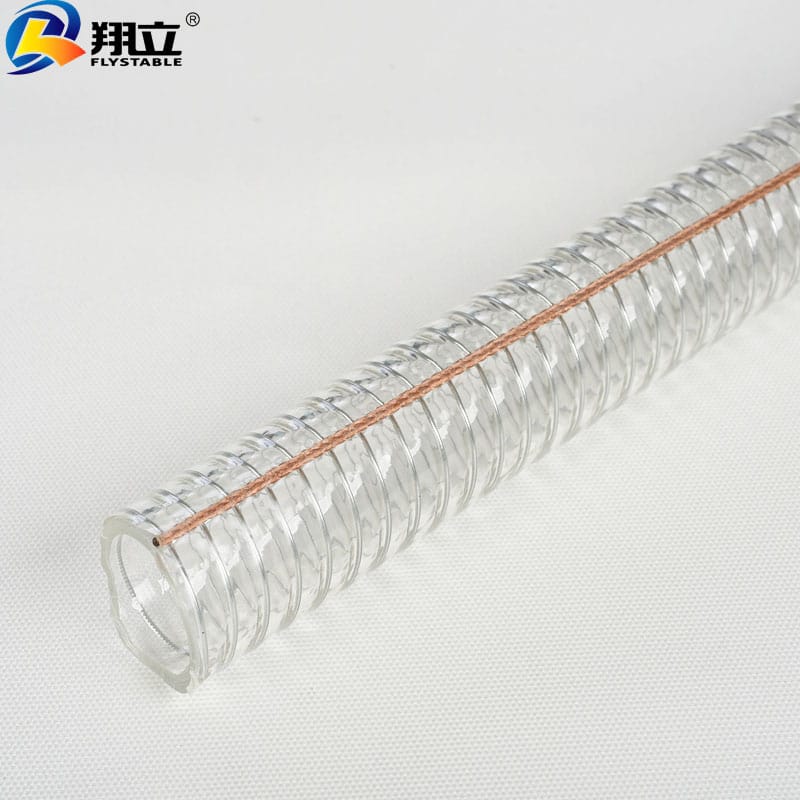
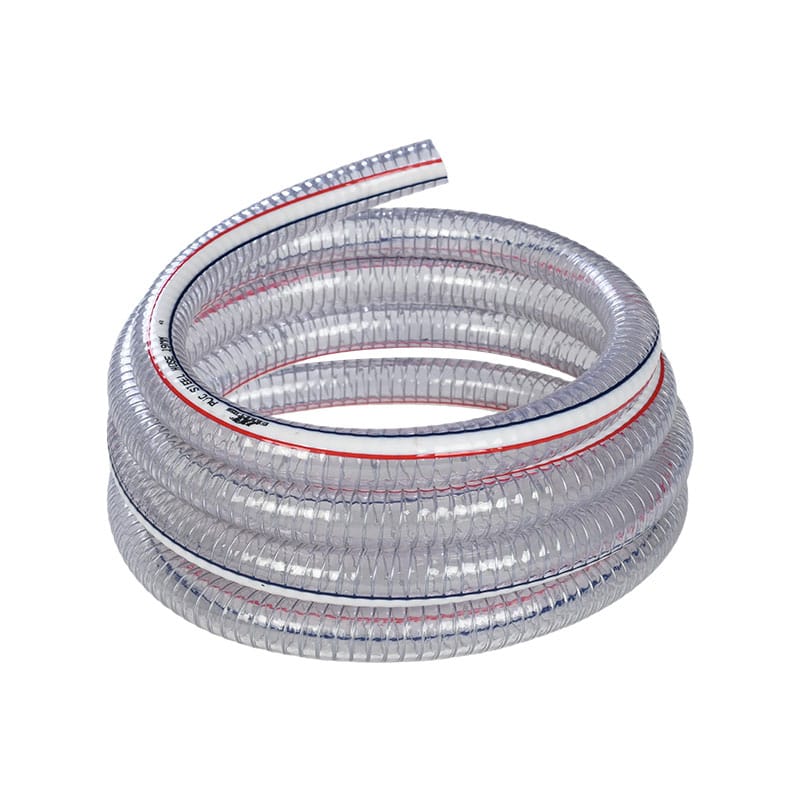
Steel wire reinforced hose is a specialized industrial hose that incorporates high-tensile steel wire layers within its construction to provide exceptional strength and durability. This robust design enables the hose to withstand high pressure, extreme temperatures, and harsh operating conditions that would cause standard hoses to fail. The steel wire reinforcement acts as the backbone of the hose, distributing internal pressure evenly and preventing deformation or burst under stress.
Why it is widely used in modern industries
Modern industries increasingly rely on steel wire reinforced hose because of its unmatched reliability in critical applications. From heavy machinery and construction equipment to chemical processing plants, these hoses deliver consistent performance where safety cannot be compromised. Their ability to handle pressure fluctuations, resist abrasion, and maintain flexibility makes them indispensable in demanding environments. Industries particularly value steel wire reinforced hydraulic hose for systems requiring both high pressure and dynamic movement, as these hoses excel where traditional rubber or PVC alternatives would quickly degrade.
Role of manufacturers in product quality and performance
The quality and performance of steel wire reinforced hose heavily depend on the manufacturer’s expertise and production capabilities. Professional manufacturers implement rigorous quality control throughout the production process, from raw material selection to final testing. Leading steel wire reinforced hose manufacturers invest in advanced technology, maintain strict adherence to international standards (such as SAE, DIN, and ISO specifications), and conduct comprehensive pressure and impulse testing to ensure each hose meets or exceeds performance requirements. This commitment to quality directly translates to longer service life, reduced downtime, and enhanced safety for end users.
Steel Wire Reinforced Hose Structure and Material Composition
Inner tube materials (PVC, rubber, hybrid compounds)
The inner tube of a steel wire reinforced hose serves as the primary barrier between the conveyed fluid and the reinforcement layers. High-quality hoses typically use oil-resistant synthetic rubber, such as NBR (Nitrile Butadiene Rubber), for hydraulic applications, while PVC or thermoplastic materials may be used in other industrial settings. These materials are selected based on their chemical compatibility with the intended media, temperature resistance, and ability to maintain flexibility under pressure. The inner tube must provide a smooth flow path while resisting degradation from oils, chemicals, and temperature extremes.
Steel wire reinforcement layer design
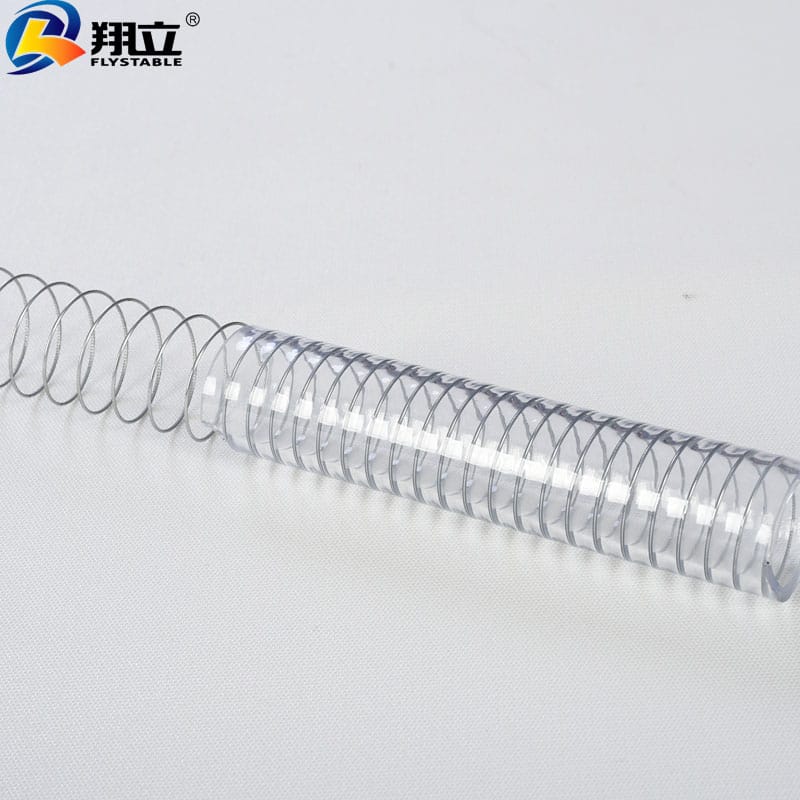
The steel wire reinforcement layer is the critical component that gives these hoses their superior pressure capability. Manufacturers use two primary reinforcement methods: steel wire braiding and steel wire spiraling. Braided reinforcement involves weaving steel wire strands around the inner tube, offering excellent flexibility and moderate to high-pressure resistance. Spiral reinforcement uses multiple layers of steel wire wound in a helical pattern, providing significantly higher pressure capacity for ultra-high pressure applications. The number of reinforcement layers, wire diameter, and winding angle are precisely engineered based on the hose’s intended pressure rating and application requirements.
Outer cover protection and abrasion resistance
The outer cover of a steel wire reinforced hose protects the internal structure from environmental damage, including abrasion, UV exposure, ozone, chemicals, and mechanical impact. Premium manufacturers use abrasion-resistant synthetic rubber compounds or thermoplastic materials specifically formulated for harsh industrial environments. Some high-performance hoses incorporate additional protective features such as XtraTuff covers that offer up to 25 times the abrasion resistance of standard covers, significantly extending service life in demanding applications like construction and mining equipment.
Impact of structure on pressure performance
The multi-layer construction of steel wire reinforced hose directly determines its pressure handling capabilities. The reinforcement layers contain the outward force generated by internal pressure, preventing hose expansion or burst. High-pressure hydraulic hoses often feature four or six layers of spiral-wound steel wire, enabling them to withstand pressures exceeding 10,000 psi (700 bar). The structural integrity between layers, achieved through advanced bonding techniques and vulcanization processes, ensures that the hose performs consistently under pressure spikes, impulse cycles, and dynamic loading conditions common in industrial machinery.
Key Features of High-Quality Steel Wire Reinforced Hose
High pressure resistance capability
High-quality steel wire reinforced hose excels in high-pressure applications, with working pressures ranging from hundreds to thousands of psi depending on the design. These hoses maintain structural integrity and leak-free operation under continuous high-pressure conditions, making them ideal for hydraulic systems, heavy machinery, and industrial equipment. The steel wire reinforcement provides exceptional burst pressure resistance—typically 3 to 4 times the working pressure—ensuring a significant safety margin in critical applications.
Excellent flexibility and bending performance
Despite their reinforced construction, premium steel wire reinforced hoses maintain excellent flexibility, enabling installation in tight spaces and complex routing scenarios. The carefully engineered balance between reinforcement strength and hose flexibility allows for tight bend radii without compromising pressure capacity or fatigue life. This flexibility is particularly valuable in mobile equipment and machinery where hoses must accommodate movement and vibration without kinking or restricting flow.
Corrosion and chemical resistance
Manufacturers formulate the materials used in steel wire reinforced hose to resist corrosion from oils, chemicals, and environmental exposure. The inner tube compounds are specifically designed for compatibility with hydraulic fluids, while galvanized or stainless steel wire reinforcement provides additional corrosion resistance. This chemical resistance makes these hoses suitable for applications involving petroleum-based fluids, water-glycol mixtures, and various industrial chemicals, extending service life and reducing maintenance requirements.
Temperature tolerance in extreme environments
Quality steel wire reinforced hoses perform reliably across a wide temperature range, typically from -40°C to +100°C (-40°F to +212°F) for standard hydraulic applications. Specialized formulations can extend this range for extreme temperature environments. The materials maintain flexibility and pressure performance whether operating in freezing outdoor conditions or high-temperature industrial settings, ensuring consistent operation regardless of climate or process conditions.
Long service life and durability advantages
The combination of premium materials, advanced construction techniques, and rigorous quality control gives high-quality steel wire reinforced hose exceptional durability. These hoses often demonstrate impulse fatigue resistance exceeding one million cycles in testing, far surpassing industry standards. The long service life translates to reduced replacement frequency, lower maintenance costs, and minimized downtime for industrial operations—key factors in total cost of ownership and operational efficiency.
Manufacturing Process from a Professional Steel Wire Reinforced Hose Manufacturer
Raw material selection and quality control
Professional manufacturers begin with meticulous raw material selection, sourcing only high-grade synthetic rubber, PVC compounds, and high-tensile steel wire from certified suppliers. Each batch of raw materials undergoes rigorous testing for consistency, purity, and performance characteristics before entering production. This quality-first approach at the material level ensures the finished hose will meet demanding specifications and deliver reliable performance in the field.
Steel wire winding and reinforcement technology
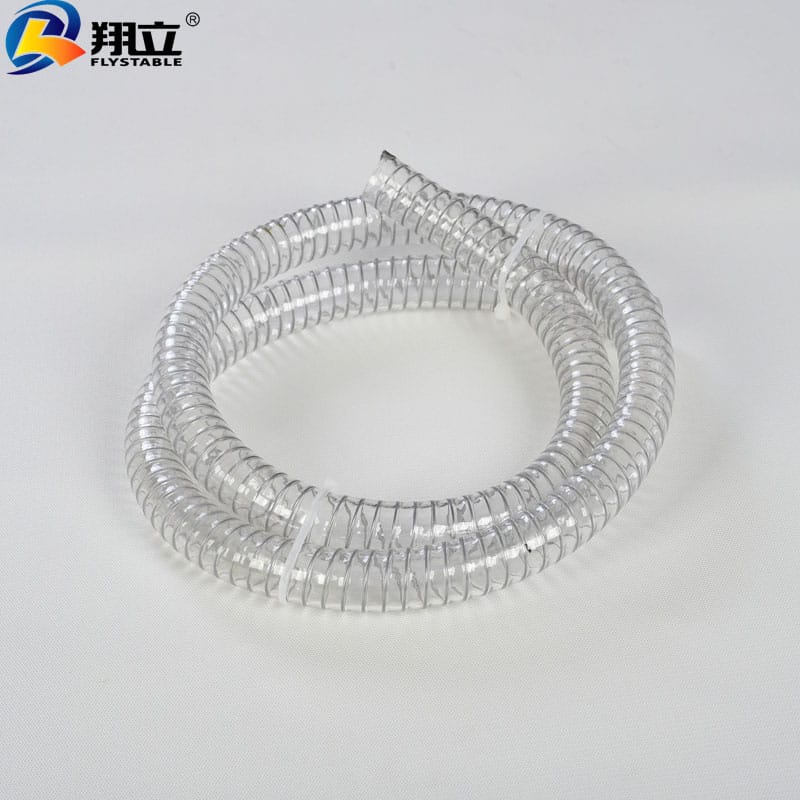
The reinforcement process represents a critical manufacturing stage where precision is paramount. Advanced braiding and spiraling machines control wire tension, winding angle, and layer consistency with exacting tolerances. Multi-layer spiral reinforcement requires sophisticated equipment capable of winding steel wire at precise angles to create the interlocking structure that provides maximum pressure resistance. Manufacturers with superior technology can produce hoses with tighter bend radii, higher impulse life, and more consistent performance across production batches.
Extrusion and forming process
The extrusion process forms the inner tube and applies the outer cover over the reinforcement layers. Temperature control, extrusion speed, and material viscosity are carefully monitored to ensure proper layer thickness, adhesion, and dimensional accuracy. Modern extrusion lines with real-time monitoring systems maintain tight tolerances throughout the process, resulting in hoses with consistent wall thickness, smooth inner bores, and reliable performance characteristics.
Vulcanization and pressure testing standards
Vulcanization bonds the various hose layers into a unified structure, with time, temperature, and pressure precisely controlled for optimal cure. Following vulcanization, each hose undergoes comprehensive pressure testing, including burst pressure tests, impulse cycling, and leak detection. Professional manufacturers test to standards exceeding international requirements, often applying safety factors of 4:1 or higher to ensure reliable performance under real-world conditions.
Final inspection and packaging process
The final inspection stage involves dimensional verification, visual inspection for defects, and comprehensive documentation for traceability. Each hose is marked with relevant specifications, manufacturing codes, and compliance information. Proper packaging protects the hose during storage and transportation, ensuring it reaches customers in pristine condition ready for immediate use.
Industrial Applications of Steel Wire Reinforced Hose
Hydraulic systems and heavy machinery
Steel wire reinforced hydraulic hose serves as the critical link in hydraulic systems for excavators, loaders, cranes, and other heavy construction equipment. These hoses withstand extreme pressure spikes, constant vibration, and harsh environmental conditions while maintaining reliable fluid transmission. The high-pressure capability and flexibility make them ideal for the dynamic movements and heavy loads characteristic of construction and earthmoving machinery.
Oil and gas transportation systems
In the oil and gas industry, steel wire reinforced hose handles high-pressure fluid transfer in drilling operations, refining processes, and pipeline systems. These hoses resist corrosion from petroleum products, maintain performance under high pressure, and withstand the challenging environments encountered in upstream and downstream operations. Their reliability is crucial for maintaining continuous production and ensuring safety in potentially hazardous conditions.
Chemical fluid transfer industries
Chemical processing plants rely on steel wire reinforced hose for transferring aggressive fluids and chemicals. The chemical resistance of the hose materials, combined with the pressure capability provided by steel wire reinforcement, makes these hoses suitable for acids, alkalis, solvents, and other corrosive media. Manufacturers offer specialized compounds compatible with specific chemicals, ensuring safe and efficient fluid transfer in diverse chemical applications.
Mining and construction equipment
Mining and construction environments demand hoses that can withstand abrasion, impact, and extreme conditions. Steel wire reinforced hose delivers the durability needed for these demanding applications, with abrasion-resistant outer covers and robust construction that resist damage from rocks, debris, and rough handling. The high-pressure capability supports hydraulic systems in mining equipment, while the flexibility accommodates the complex routing often required in tight work spaces.
Agricultural irrigation and water delivery systems
Agricultural applications utilize steel wire reinforced hose for irrigation systems, liquid fertilizer transfer, and water delivery. The hoses’ resistance to UV exposure, flexibility for field use, and ability to handle both pressure and vacuum make them well-suited for agricultural environments. Manufacturers produce hoses in various diameters and pressure ratings to match the specific requirements of different agricultural applications, from small farms to large-scale irrigation systems.
Air compression and pneumatic systems
Pneumatic systems and air compression equipment benefit from steel wire reinforced hose’s ability to handle high-pressure air while maintaining flexibility. These hoses resist the pulsating pressures typical in compressed air systems and provide reliable performance in industrial pneumatic applications. The combination of pressure capacity and flexibility makes them ideal for connecting compressors to pneumatic tools, machinery, and equipment in manufacturing and industrial settings.
Steel Wire Reinforced Hose vs Other Industrial Hoses
Steel wire reinforced hose vs rubber hose
While standard rubber hoses offer good flexibility, steel wire reinforced hose provides significantly higher pressure resistance and durability. The steel wire reinforcement enables these hoses to handle pressures that would cause unreinforced rubber hoses to burst or deform. Steel wire reinforced hose also offers better kink resistance, maintains shape under vacuum conditions, and demonstrates superior impulse fatigue life—making it the preferred choice for high-pressure hydraulic systems and demanding industrial applications.
Steel wire reinforced hose vs PVC hose
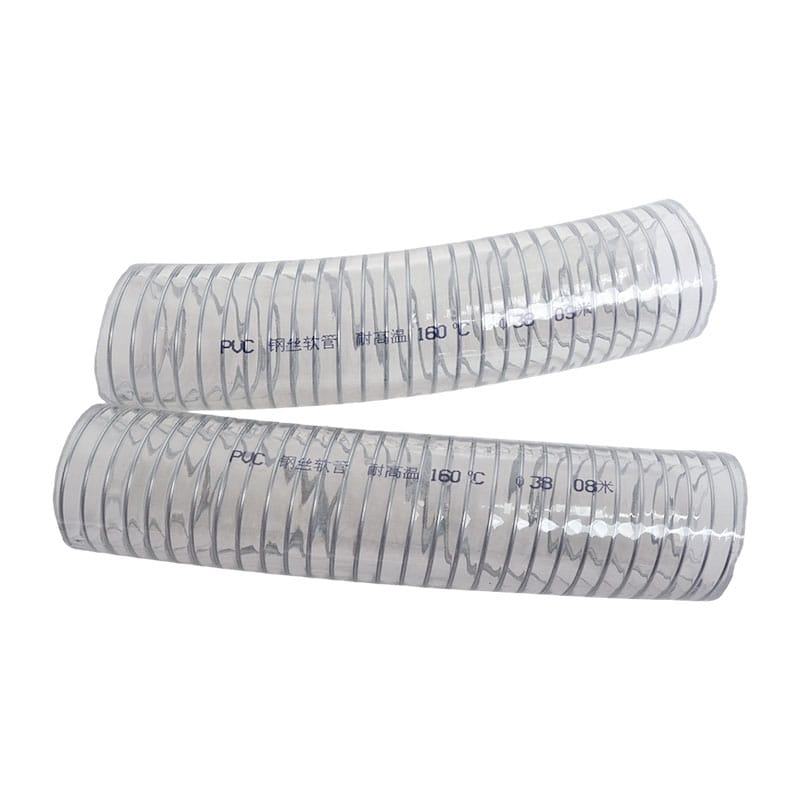
PVC hoses excel in chemical resistance and affordability but have limited pressure capability compared to steel wire reinforced hose. While PVC steel wire reinforced hose options exist for medium-pressure applications, rubber-based steel wire reinforced hoses handle significantly higher pressures and offer better temperature resistance. The choice between PVC and rubber steel wire reinforced hose depends on the specific application requirements, including pressure rating, chemical compatibility, and environmental conditions.
Steel wire reinforced hose vs braided hose
Braided hoses represent one type of reinforcement method within the steel wire reinforced hose category. Single or double-braided hoses offer good flexibility and moderate pressure resistance, making them suitable for applications with frequent movement and bending. Spiral-wound hoses, another steel wire reinforced option, provide higher pressure capacity for ultra-high pressure applications but are slightly less flexible. The selection between braided and spiral reinforcement depends on the specific pressure requirements and flexibility needs of the application.
Key performance differences in pressure and durability
Steel wire reinforced hose consistently outperforms unreinforced and lightly reinforced hoses in both pressure capability and service life. The multi-layer steel wire construction provides burst pressures typically 3-4 times the working pressure, compared to lower safety factors in standard hoses. The reinforcement also dramatically extends impulse fatigue life, with high-quality steel wire reinforced hoses tested to one million cycles or more—far exceeding the performance requirements of most industrial applications. This superior durability translates to longer service intervals, reduced maintenance costs, and enhanced safety.
Table: Steel Wire Reinforced Hose vs. Other Industrial Hose Types
| Hose Type | Max Working Pressure | Pressure Resistance | Flexibility | Temperature Range | Best Applications |
|---|---|---|---|---|---|
| Steel Wire Reinforced | 700-10,000+ psi | Excellent | Good to Excellent | -40°C to +100°C+ | Hydraulic systems, heavy machinery |
| Standard Rubber Hose | 100-300 psi | Moderate | Excellent | -30°C to +80°C | General water transfer, low-pressure air |
| PVC Hose | 50-150 psi | Low to Moderate | Good | -10°C to +60°C | Water delivery, light chemicals |
| Braided Hose | 300-4,000 psi | Good | Excellent | -40°C to +100°C | Medium-pressure hydraulic systems |
How to Choose the Right Steel Wire Reinforced Hose for Your Project
Pressure rating and working conditions
Selecting the appropriate steel wire reinforced hose begins with understanding the system’s pressure requirements, including both maximum operating pressure and pressure spikes. Always choose a hose with a working pressure rating higher than the system’s maximum expected pressure, incorporating an appropriate safety factor (typically 4:1 for hydraulic applications). Consider the frequency of pressure fluctuations, impulse conditions, and the presence of pressure spikes when specifying the hose’s pressure rating to ensure reliable long-term performance.
Hose diameter and size selection
Proper hose diameter selection ensures optimal flow rates while minimizing pressure drop and heat generation. Consider both the inner diameter (ID) for flow capacity and the outer diameter (OD) for routing space requirements. Larger diameters reduce flow resistance but may be less flexible and require more space. Manufacturers provide detailed dimension specifications and flow capacity data to help select the appropriate hose size for specific applications and flow requirements.
Temperature and chemical compatibility
Evaluate the operating temperature range of the application and select a hose with materials rated for those conditions. Additionally, verify chemical compatibility between the conveyed media and the hose materials, including inner tube, reinforcement, and outer cover. Manufacturers provide chemical resistance charts and temperature ratings to guide selection. Special compounds may be required for aggressive chemicals, high-temperature applications, or food-grade compliance.
Application-based selection guide
Different applications impose specific requirements beyond basic pressure and temperature considerations. Hydraulic systems in mobile equipment need hoses with excellent flexibility and impulse resistance. Static industrial applications may prioritize higher pressure capacity over flexibility. Consider factors such as movement, vibration, exposure to abrasion, and environmental conditions when selecting the hose construction and materials. Consulting with a knowledgeable steel wire reinforced hose manufacturer can provide valuable guidance for application-specific requirements.
OEM customization options from manufacturers
Many steel wire reinforced hose manufacturers offer OEM customization to meet specific application requirements. Customization options may include specialized materials for unique chemical compatibility, custom pressure ratings, non-standard dimensions, special end fittings, and color coding for identification. Working directly with a manufacturer enables customization that optimizes performance for specific applications while ensuring compliance with relevant industry standards and regulations.
Quality Standards and Testing for Steel Wire Reinforced Hose
Burst pressure testing standards
Burst pressure testing verifies the ultimate pressure capability of steel wire reinforced hose, ensuring it meets or exceeds specified requirements. Testing is typically conducted to pressures 3-4 times the working pressure to confirm adequate safety margins. Professional manufacturers test to international standards such as SAE J517, DIN EN 853/857/856, and ISO 18752, providing documented evidence of hose performance and safety capabilities.
Flexibility and fatigue resistance testing
Flexibility testing measures the minimum bend radius and force required to bend the hose, ensuring it meets installation requirements. Fatigue resistance testing evaluates the hose’s performance under repeated pressure cycling and flexing, simulating real-world operating conditions. High-quality steel wire reinforced hoses are tested to one million impulse cycles or more, far exceeding industry requirements and demonstrating exceptional durability in dynamic applications.
Temperature and aging resistance testing
Temperature testing verifies hose performance across the specified temperature range, including both high and low temperature extremes. Aging resistance testing evaluates long-term material stability under environmental exposure, including UV, ozone, and weathering. These tests ensure that steel wire reinforced hose maintains its pressure capability, flexibility, and material integrity throughout its service life in various environmental conditions.
International industrial compliance requirements
Steel wire reinforced hose manufacturers comply with numerous international standards and regulations depending on the target markets and applications. Common standards include SAE (Society of Automotive Engineers), DIN (German Institute for Standardization), ISO (International Organization for Standardization), and EN (European Norm) specifications. Additionally, hoses may require certifications such as CE, UL, FDA (for food-grade applications), or MSHA (for mining applications) depending on the industry and region. Compliance with these standards ensures consistent quality, safety, and performance across global markets.
Advantages of Buying Directly from a Steel Wire Reinforced Hose Manufacturer
Cost efficiency and factory pricing
Purchasing directly from a steel wire reinforced hose manufacturer eliminates distributor markups, resulting in more competitive pricing. Direct relationships with manufacturers also enable bulk pricing advantages and volume discounts for larger orders. The cost efficiency extends beyond purchase price—factory-direct hoses often deliver longer service life and reduced maintenance requirements, lowering total cost of ownership over the hose’s lifecycle.
Custom production capabilities
Direct manufacturer relationships provide access to customization options not available through standard distribution channels. Manufacturers can modify materials, dimensions, pressure ratings, and end configurations to match specific application requirements. This customization capability ensures optimal performance for unique applications while maintaining compliance with relevant standards and regulations.
Quality assurance and consistency
Working directly with the manufacturer provides greater visibility into quality processes and assurance of consistent product quality. Manufacturers implement comprehensive quality control systems and can provide detailed documentation, test reports, and traceability information. This direct relationship also enables easier resolution of quality issues and faster access to technical support when needed.
Bulk order and OEM/ODM support
Manufacturers offer dedicated support for bulk orders and OEM/ODM requirements, including custom branding, specialized packaging, and just-in-time delivery programs. Large-volume orders benefit from production scheduling priority and dedicated account management. For OEM customers, manufacturers can develop custom specifications, provide engineering support, and integrate seamlessly into the customer’s supply chain.
Faster delivery and supply chain control
Direct manufacturer relationships reduce lead times and provide greater control over delivery schedules. Manufacturers can prioritize production for key customers and offer expedited production options when needed. Additionally, direct relationships improve supply chain visibility, enabling better inventory management and production planning. This supply chain control proves particularly valuable for just-in-time manufacturing operations and projects with tight timelines.
Common Problems and Maintenance Tips for Steel Wire Reinforced Hose
Preventing leakage and pressure failure
Regular inspection helps identify potential issues before they lead to leaks or pressure failures. Check for signs of wear, damage to outer covers, exposed reinforcement, or fitting problems. Replace hoses showing signs of deterioration before failure occurs. Proper installation with appropriate fittings and crimping procedures ensures secure connections that resist leakage under pressure. Following manufacturer recommendations for torque specifications and installation procedures prevents connection failures that could compromise system integrity.
Proper installation methods
Correct installation is critical for maximizing hose service life and preventing premature failure. Ensure hoses are not twisted during installation, as this can stress the reinforcement and reduce pressure capacity. Use appropriate bend radii and avoid sharp bends that could kink the hose or damage the reinforcement. Secure hoses with proper clamps and supports to prevent excessive vibration, rubbing against sharp edges, or contact with hot surfaces. Following installation guidelines from the steel wire reinforced hose manufacturer ensures optimal performance and longevity.
Storage and handling best practices
Proper storage extends hose service life and maintains performance characteristics. Store hoses in a cool, dry location away from direct sunlight, ozone sources, and chemicals. Coil hoses with large diameter coils to prevent kinking or permanent deformation. Avoid stacking heavy objects on stored hoses, as this can deform the hose and affect performance. When handling, avoid dragging hoses across abrasive surfaces or sharp edges that could damage the outer cover and expose the reinforcement layers.
Extending hose service life
Implementing preventive maintenance practices significantly extends steel wire reinforced hose service life. Regular inspection schedules catch potential issues early, enabling replacement before catastrophic failure. Proper cleaning removes contaminants that could degrade hose materials. Using protective sleeves or guards in high-abrasion areas reduces wear. Monitoring operating conditions ensures hoses are used within their specified pressure, temperature, and chemical compatibility limits. Following manufacturer recommendations for service intervals based on application severity optimizes replacement timing and prevents unexpected failures.
Why Choose a Professional Steel Wire Reinforced Hose Manufacturer
Importance of production experience and R&D capability
Manufacturers with extensive production experience and strong R&D capabilities deliver superior steel wire reinforced hose products. Years of manufacturing expertise translate to refined processes, consistent quality, and deep understanding of application requirements. Investment in R&D enables continuous improvement in materials, construction techniques, and performance characteristics. Manufacturers with dedicated engineering teams can develop customized solutions for challenging applications and provide technical support throughout the product lifecycle.
Role of quality control in industrial safety
Quality control processes directly impact industrial safety, as hose failures can lead to serious consequences including injury, equipment damage, and production losses. Professional manufacturers implement comprehensive quality systems covering raw materials, production processes, and finished product testing. Testing to international standards with appropriate safety factors ensures hoses perform reliably under specified conditions. Documentation and traceability provide confidence in product quality and facilitate accountability throughout the supply chain.
Long-term partnership value for global buyers
Establishing long-term partnerships with professional steel wire reinforced hose manufacturers provides numerous benefits for global buyers. Consistent product quality, reliable supply, and technical support contribute to operational efficiency and reduced total cost of ownership. Manufacturers become familiar with buyer requirements and can proactively suggest improvements or innovations. Long-term relationships also provide advantages in pricing, production scheduling, and new product development opportunities, creating mutual value and strengthening the supply chain.
Conclusion
Steel wire reinforced hose represents a critical component in modern industrial applications, delivering unmatched performance in high-pressure hydraulic systems, heavy machinery, and demanding industrial environments. The combination of steel wire reinforcement, premium materials, and advanced manufacturing processes produces hoses that withstand extreme conditions while maintaining flexibility and reliability.
As a professional steel wire reinforced hose manufacturer, we understand that quality, performance, and reliability are non-negotiable in industrial applications. Our commitment to rigorous quality control, advanced production technology, and customer-focused solutions ensures that each hose meets the exacting requirements of diverse industrial applications.
For global buyers seeking reliable steel wire reinforced hose solutions, partnering with an experienced manufacturer provides advantages in quality consistency, technical support, customization capabilities, and supply chain reliability. Whether for standard applications or specialized requirements, professional manufacturers deliver the expertise and production capability needed for optimal hose performance and operational success.
The investment in high-quality steel wire reinforced hose pays dividends through extended service life, reduced maintenance, enhanced safety, and improved operational efficiency—making it the smart choice for demanding industrial applications worldwide.
FAQ
Q: What is the working pressure range of steel wire reinforced hose?
A: Steel wire reinforced hose typically handles working pressures from 700 to over 10,000 psi, depending on the reinforcement design. Braided versions support moderate to high pressures (up to 4,000 psi), while multi-layer spiral reinforced hoses can withstand ultra-high pressures exceeding 10,000 psi, making them ideal for demanding hydraulic systems and heavy machinery applications.
Q: How does steel wire reinforcement improve hose durability compared to standard hoses?
A: The steel wire reinforcement provides exceptional strength that prevents hose deformation under pressure, resists kinking, and withstands pressure spikes. Steel wire reinforced hoses offer burst pressures 3-4 times higher than working pressure and can endure over one million impulse cycles—far exceeding the durability of standard rubber or PVC hoses, resulting in longer service life and reduced replacement costs.
Q: What are the main applications for steel wire reinforced hose?
A: Steel wire reinforced hose is widely used in hydraulic systems for construction equipment (excavators, loaders, cranes), oil and gas drilling operations, chemical processing plants, mining machinery, agricultural irrigation systems, and pneumatic/compressed air systems. Their high-pressure capability and flexibility make them essential for industrial applications requiring reliable fluid transfer under demanding conditions.
Q: What temperature range can steel wire reinforced hose withstand?
A: Standard steel wire reinforced hose performs reliably in temperatures ranging from -40°C to +100°C (-40°F to +212°F). Specialized formulations are available for extreme temperature environments, both low and high. The materials maintain flexibility and pressure performance across this range, ensuring consistent operation whether in freezing outdoor conditions or high-temperature industrial settings.
Q: How do I choose between braided and spiral steel wire reinforced hose?
A: Choose braided steel wire hose for applications requiring excellent flexibility and moderate pressure resistance (up to 4,000 psi), ideal for mobile equipment with frequent movement. Select spiral reinforced hose for ultra-high pressure applications (10,000+ psi) where maximum pressure capacity is prioritized over flexibility, such as in heavy industrial hydraulic systems, mining equipment, and oil and gas operations.