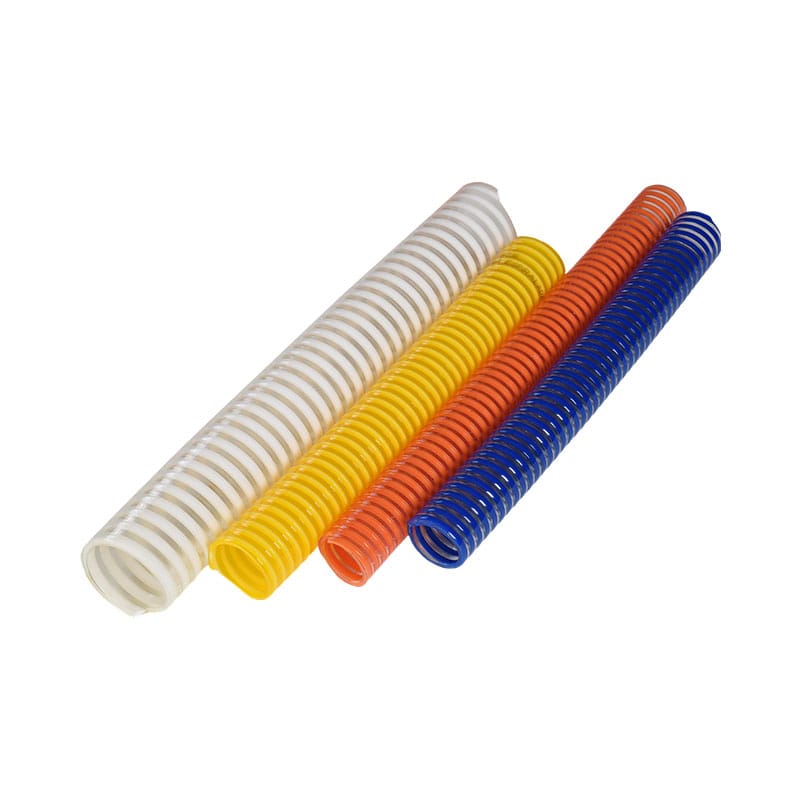
Table of Contents
Understanding What a Pneumatic Air Hose Is and Why It Matters
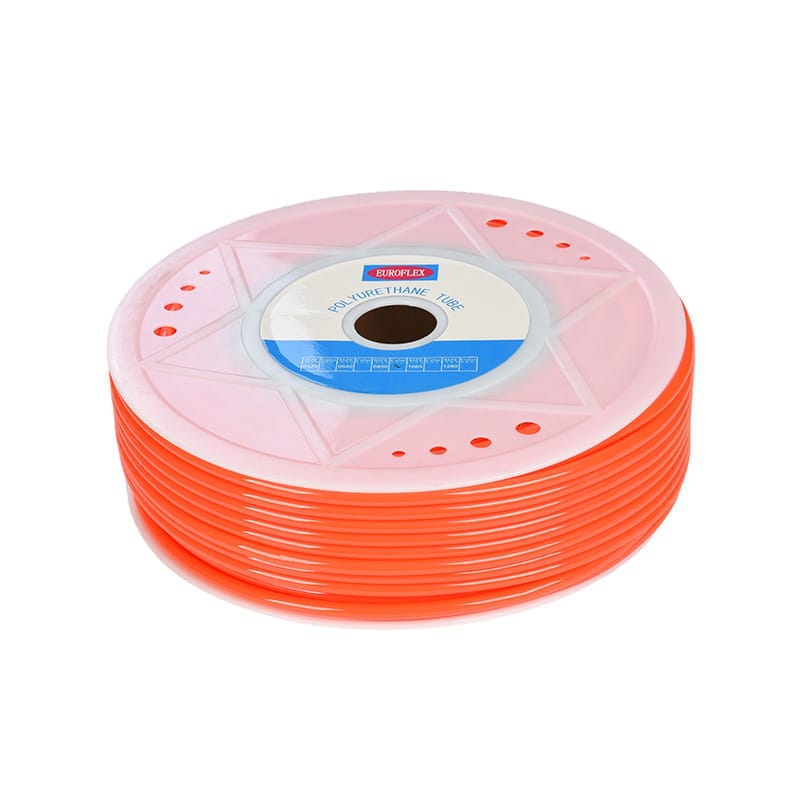
A pneumatic air hose serves as the critical conduit connecting compressed air systems to pneumatic tools, machinery, and equipment. In industrial settings, these hoses transfer compressed air from compressors to various end-use devices, powering everything from simple hand tools to complex automated systems. The quality of your air hose directly impacts system efficiency, energy consumption, and operational safety.
Poor-quality hoses can cause pressure drops, air leaks, and frequent failures that disrupt production schedules. Investing in the right pneumatic air hose ensures consistent air delivery, reduced energy costs, and longer service life for both the hose and connected equipment.
Key Types of Pneumatic Air Hoses Used in Industry
Different applications require specific hose materials and constructions. Understanding these variations helps you select the optimal solution for your needs:
- PVC pneumatic air hose: Lightweight and economical, ideal for general applications and light-duty use in workshops and DIY settings. Offers good chemical resistance but limited flexibility in cold temperatures.
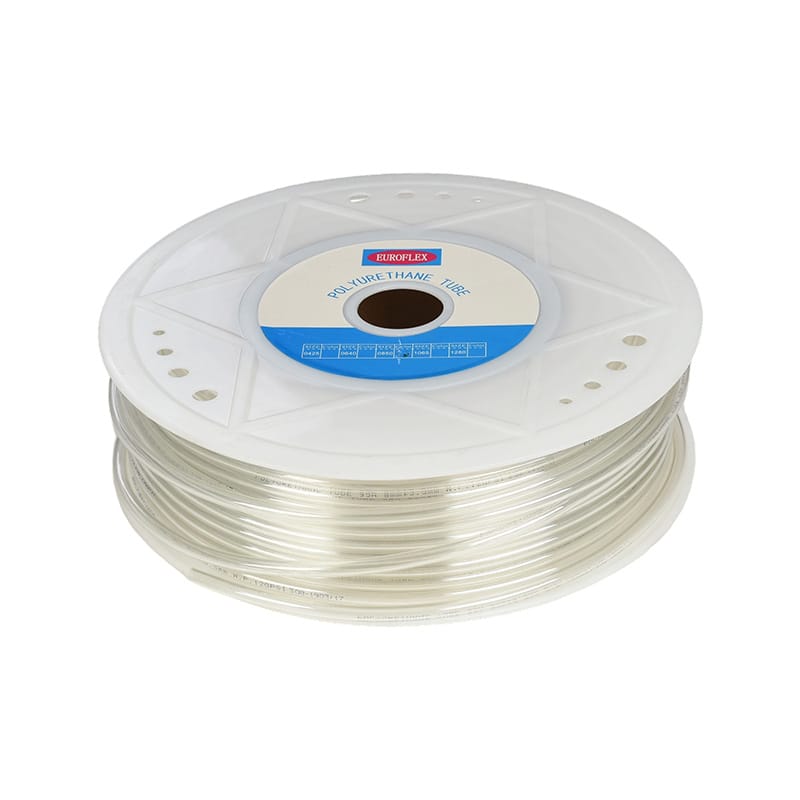
- Polyurethane (PU) air hose: Combines flexibility with abrasion resistance, perfect for environments where hoses are frequently moved or dragged. Excellent memory properties allow easy coiling and minimal kinking.
- Rubber pneumatic air hose: The industry workhorse for heavy-duty environments. Provides superior durability, flexibility across wide temperature ranges, and resistance to oil, abrasion, and weather conditions.
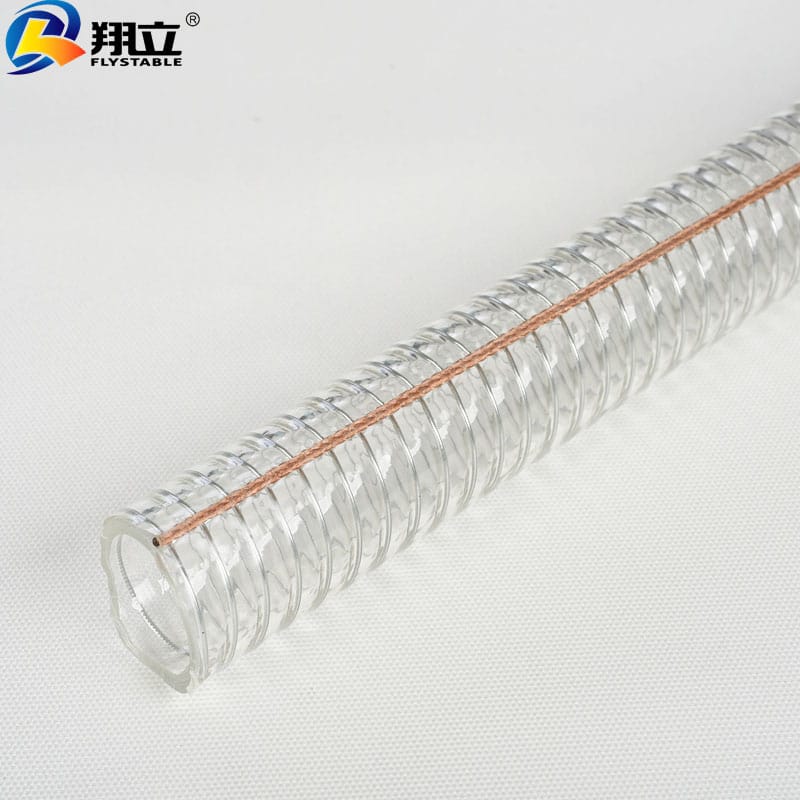
- Reinforced air hose: Features multiple layers of textile or steel reinforcement for enhanced pressure handling. Essential for high-pressure systems requiring burst strength above standard ratings.
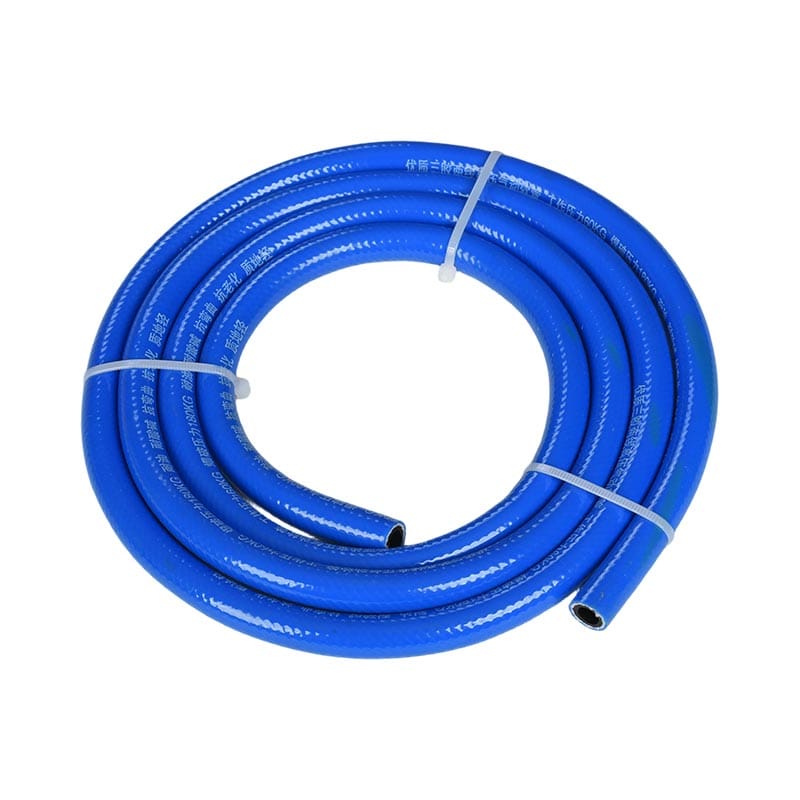
- Braided pneumatic air hose: Utilizes braided textile or steel wire reinforcement for improved kink resistance and pressure capacity. Common in industrial applications where durability is paramount.
| Material | Pressure Range | Temperature Range | Best Applications | Key Advantages |
|---|---|---|---|---|
| PVC | Up to 300 PSI | -10°C to 60°C | Light-duty workshop use, DIY projects | Lightweight, cost-effective, chemical resistant |
| Polyurethane | Up to 300 PSI | -40°C to 80°C | Assembly lines, robotic applications, retractable reels | Flexible, abrasion resistant, excellent memory |
| Rubber | Up to 600+ PSI | -40°C to 120°C | Heavy industry, construction, outdoor use | Durable, flexible in cold, oil and weather resistant |
| Reinforced | Up to 1000+ PSI | -40°C to 100°C | High-pressure systems, industrial automation | High burst strength, kink resistant |
| Braided | Up to 800 PSI | -30°C to 90°C | Industrial pneumatic tools, manufacturing | Enhanced durability, pressure stability |
Why Manufacturing Quality Determines Hose Performance
The difference between a reliable pneumatic air hose and one that fails prematurely lies in manufacturing precision and quality control. Several critical factors affect hose performance:
Material selection forms the foundation of hose quality. Premium manufacturers use carefully formulated compounds that balance flexibility, strength, and environmental resistance. For instance, high-quality rubber hoses incorporate NBR (nitrile) for oil resistance, EPDM for weather resistance, or specialized blends for specific applications.
Extrusion and braiding technology determine the structural integrity of the hose. Advanced extrusion processes ensure consistent wall thickness and smooth internal surfaces that minimize pressure drop. Braiding machines must create uniform reinforcement layers that distribute stress evenly across the hose circumference.
Pressure resistance and burst strength depend on precise control during manufacturing. Quality hoses undergo rigorous pressure testing, typically requiring burst pressure ratings 4-5 times higher than working pressure. This safety margin prevents catastrophic failures during normal operation.
Temperature and abrasion resistance are achieved through specialized additives and reinforcement materials. UV stabilizers prevent outdoor degradation, while abrasion-resistant outer covers protect against wear from dragging across rough surfaces.
Factory testing standards before shipment catch defects before products reach customers. Leading manufacturers perform burst pressure tests, aging simulations, flexibility checks, and dimensional inspections on every production batch.
Advantages of Working with a Professional Pneumatic Air Hose Manufacturer
Partnering directly with a manufacturer rather than trading companies offers significant benefits for your business:
Stable product quality compared to trading companies that source from multiple suppliers. Manufacturers control every aspect of production from raw material selection to final testing, ensuring consistent quality across batches.
Custom specifications including size, length, color, and pressure rating tailored to your specific requirements. Manufacturers can modify formulations for unique environmental conditions or create specialized assemblies for OEM applications.
OEM & ODM production capability enables branding opportunities and product differentiation. Manufacturers can develop proprietary hose designs or produce white-label products for distribution under your brand.
Cost efficiency in bulk procurement through factory-direct pricing. Eliminating middlemen reduces costs while maintaining margins for both parties. Large production runs also optimize material usage and manufacturing efficiency.
Direct factory support and technical consultation provides immediate access to engineering expertise. When problems arise, manufacturers offer rapid troubleshooting, custom solutions, and application guidance that trading companies cannot match.
Industrial Applications of Pneumatic Air Hose Systems
Pneumatic air hoses serve critical functions across diverse industries:
- Automotive repair workshops and spray painting systems rely on flexible, oil-resistant hoses for impact wrenches, spray guns, and pneumatic tools. These hoses must withstand frequent movement, oil exposure, and varying temperatures.
- Construction pneumatic tools and machinery use heavy-duty, abrasion-resistant hoses for jackhammers, nail guns, and concrete breakers. Durability under harsh conditions is essential for these demanding applications.
- CNC machines and factory automation lines require precise air delivery for actuators, clamping systems, and material handling. Clean, dry air through high-quality hoses prevents contamination and ensures reliable operation.
- Air compressors in industrial plants need durable distribution hoses that maintain pressure over long distances. Reinforced constructions prevent pressure drops that reduce system efficiency.
- Woodworking and manufacturing workshops use pneumatic hoses for dust collection, pneumatic sanders, and assembly equipment. Hoses in these environments must resist wood dust, abrasion, and frequent flexing.
How to Choose the Right Pneumatic Air Hose for Your Project
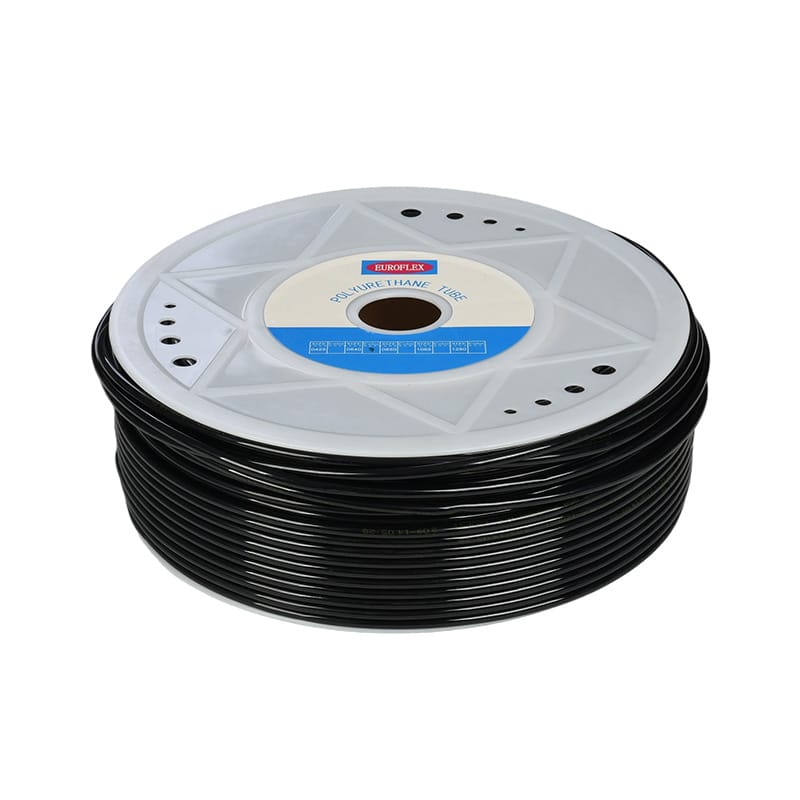
Selecting the optimal hose requires careful consideration of multiple factors:
Selecting correct inner diameter is crucial for airflow and pressure. Common sizes include 1/4″ (6mm), 3/8″ (10mm), and 1/2″ (13mm), with larger diameters reducing pressure drop over long distances. Match the hose ID to your tool’s air requirements and compressor output.
Understanding working pressure vs burst pressure ensures safety margins. Always select hoses with burst pressure ratings at least 4 times your maximum working pressure. This safety factor prevents dangerous failures under normal operating conditions.
Matching hose material to working environment extends service life. Consider temperature extremes, chemical exposure, UV radiation, and abrasion risks. Rubber excels outdoors and in harsh conditions, while PU works well indoors with frequent movement.
Flexibility vs durability trade-offs must balance application needs. Highly flexible hoses improve maneuverability but may sacrifice abrasion resistance. Determine which factor is more critical for your specific use case.
Compatibility with fittings and couplers ensures leak-free connections. Verify that your hose material and dimensions match standard industrial fittings (NPT, BSP, or push-to-connect types) used in your system.
Common Problems Caused by Low-Quality Air Hoses
Investing in premium pneumatic air hoses prevents numerous costly issues:
Air leakage and pressure loss issues waste energy and reduce tool performance. Poor-quality connections or permeable materials allow compressed air to escape, increasing compressor run time and electricity costs.
Hose cracking under cold or heat conditions causes sudden failures and safety hazards. Inferior materials become brittle in cold temperatures or soften in heat, leading to cracks that can burst under pressure.
Kinking and airflow blockage problems disrupt operation and damage internal hose structures. Low-quality hoses lack reinforcement and proper flexibility, making them prone to kinking that restricts airflow and creates weak points.
Short service life and frequent replacement costs increase total ownership expenses. While cheap hoses may save money initially, their shorter lifespan means more frequent purchases, installation labor, and production downtime.
Safety risks in high-pressure environments can cause serious injuries. Hoses that fail under pressure release stored energy violently, potentially harming operators and damaging equipment. Quality manufacturing and proper safety margins are essential.
Pneumatic Air Hose Manufacturing Process Explained
Professional manufacturers follow a meticulous process to ensure consistent quality:
Raw material selection and compounding begins with sourcing premium-grade polymers, rubbers, and additives. Materials are carefully weighed and mixed according to proprietary formulations optimized for specific applications.
Extrusion and reinforcement process shapes the hose and adds structural integrity. The inner tube is extruded first, followed by application of reinforcement layers (textile braiding, wire spirals, or spiral winding) that determine pressure capacity.
Braiding or layering structure formation creates the hose’s strength. Specialized machines precisely position reinforcement materials to ensure uniform coverage and proper tension, critical for even pressure distribution.
Pressure testing and quality inspection verify performance before shipment. Every hose undergoes burst pressure testing, dimensional checks, visual inspection, and often aging simulations to ensure reliability in real-world conditions.
Packaging and export preparation standards protect products during storage and shipping. Proper coiling, protective packaging, and clear labeling prevent damage and ensure easy identification upon arrival.
Factory Direct Supply vs Trading Companies: What Buyers Should Know
Choosing between direct manufacturer supply and trading companies impacts quality, cost, and service:
Price differences in bulk procurement often favor manufacturers after considering total cost. While trading companies may offer competitive initial pricing, manufacturers provide better value through quality consistency, customization options, and direct support.
Quality consistency comparison strongly favors manufacturers with controlled production processes. Trading companies source from multiple suppliers, leading to potential batch-to-batch variations that manufacturers eliminate through standardized production.
Lead time and production control advantages exist with manufacturers who can prioritize urgent orders and adjust production schedules. Trading companies depend on supplier availability, potentially causing delays during peak demand periods.
Customization flexibility from manufacturers enables tailored solutions for unique applications. Manufacturers can modify materials, dimensions, colors, and constructions to meet specific needs, while trading companies typically offer only standard products.
After-sales and technical support differences are significant. Manufacturers provide deep application knowledge, rapid troubleshooting, and engineering assistance that trading companies lacking production expertise cannot match.
Global Demand Trends for Pneumatic Air Hose Products

The pneumatic air hose market is experiencing robust growth driven by several key factors:
Growth in industrial automation and manufacturing continues expanding demand. As facilities implement more automated systems, robotic cells, and pneumatic equipment, the need for reliable air hoses increases proportionally. Industry reports project steady growth through 2036, with particular strength in emerging manufacturing hubs.
Increasing demand for lightweight air tools creates preference for flexible, easy-to-handle hoses. Manufacturers are developing materials that reduce weight without sacrificing durability, addressing operator fatigue concerns while maintaining performance.
Expansion of automotive and construction industries drives hose consumption. These sectors represent major users of pneumatic tools and equipment, with growth in vehicle production, infrastructure projects, and construction activity directly correlating to hose demand.
Rising need for energy-efficient air systems emphasizes quality hoses that minimize pressure loss. Facilities increasingly recognize that investing in premium hoses reduces energy costs through improved air delivery efficiency.
Importance of reliable suppliers in global supply chains has grown following recent disruptions. Buyers seek manufacturers with proven quality, consistent production, and reliable delivery to protect their operations from supply chain instability.
Conclusion
Choosing a professional pneumatic air hose manufacturer represents a strategic decision that impacts your operational efficiency, safety, and total cost of ownership. Quality hoses manufactured to exacting standards deliver reliable performance, reduce energy consumption, and minimize costly downtime.
As global demand continues growing across manufacturing, automotive, construction, and automation sectors, partnering with a manufacturer who controls every aspect of production ensures you receive consistent quality, technical support, and customization capabilities that trading companies cannot match. Investing in premium pneumatic air hoses from a qualified manufacturer provides long-term value through extended service life, improved system efficiency, and reduced total ownership costs.
When selecting a supplier, look for manufacturers with proven quality control systems, testing capabilities, customization expertise, and a track record of reliability in your specific industry. Your choice of pneumatic air hose manufacturer directly affects your operational success—choose quality for sustainable performance.
FAQ
Q: What is the typical service life of a pneumatic air hose?
A: Service life varies significantly based on material quality, usage conditions, and maintenance. Premium rubber hoses in moderate industrial environments typically last 3-5 years, while PVC hoses in light-duty applications may last 2-3 years. Regular inspection for cracks, leaks, or abrasion helps identify replacement needs before failure occurs.
Q: How do I determine the right diameter for my pneumatic air hose?
A: Select diameter based on your tool’s air requirements (CFM) and desired pressure drop. Common sizes include 1/4″ (6mm) for light tools, 3/8″ (10mm) for general use, and 1/2″ (13mm) for high-demand applications. Larger diameters minimize pressure drop over long distances but reduce flexibility and increase cost.
Q: Can I use PVC air hose for outdoor construction applications?
A: While PVC hoses are economical and lightweight, they are not ideal for outdoor construction. PVC becomes brittle in cold temperatures and degrades under UV exposure. For outdoor construction sites, rubber or polyurethane hoses offer better temperature resistance, UV protection, and durability against rough handling.
Q: What pressure rating should I look for when buying a pneumatic air hose?
A: Always choose hoses with burst pressure ratings at least 4 times your maximum working pressure. For example, if your system operates at 150 PSI, select a hose rated for at least 600 PSI burst strength. This safety margin prevents catastrophic failures during normal operation and accounts for pressure spikes.
Q: How can I tell if a pneumatic air hose manufacturer produces quality products?
A: Quality manufacturers provide detailed technical specifications, pressure test certifications, and material composition data. Look for ISO certifications, established production experience, willingness to provide samples with test reports, and clear warranty policies. Reputable manufacturers also offer technical support and application guidance.