Table of Contents
Introduction
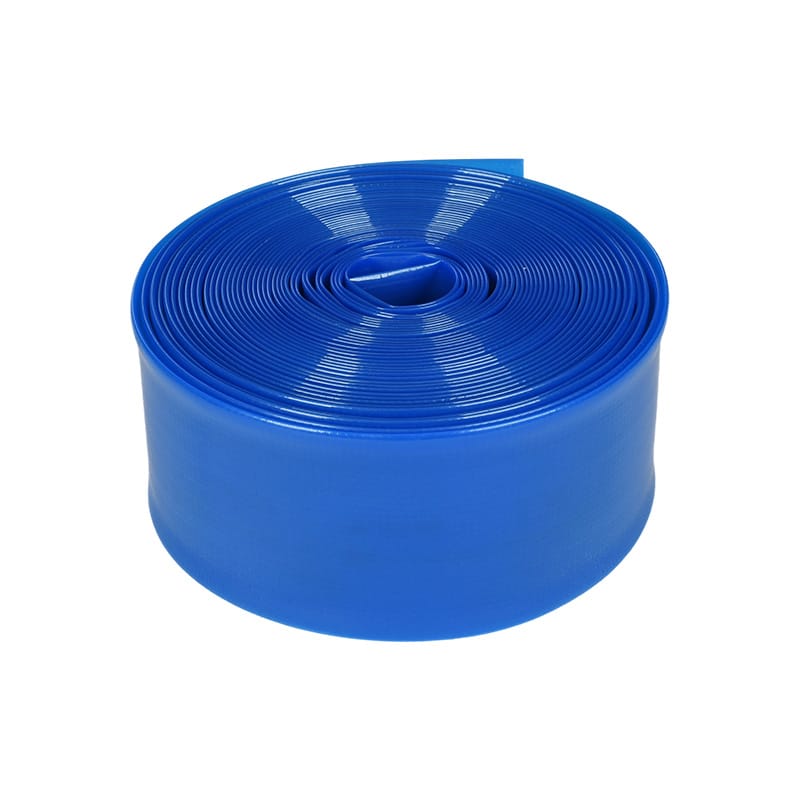
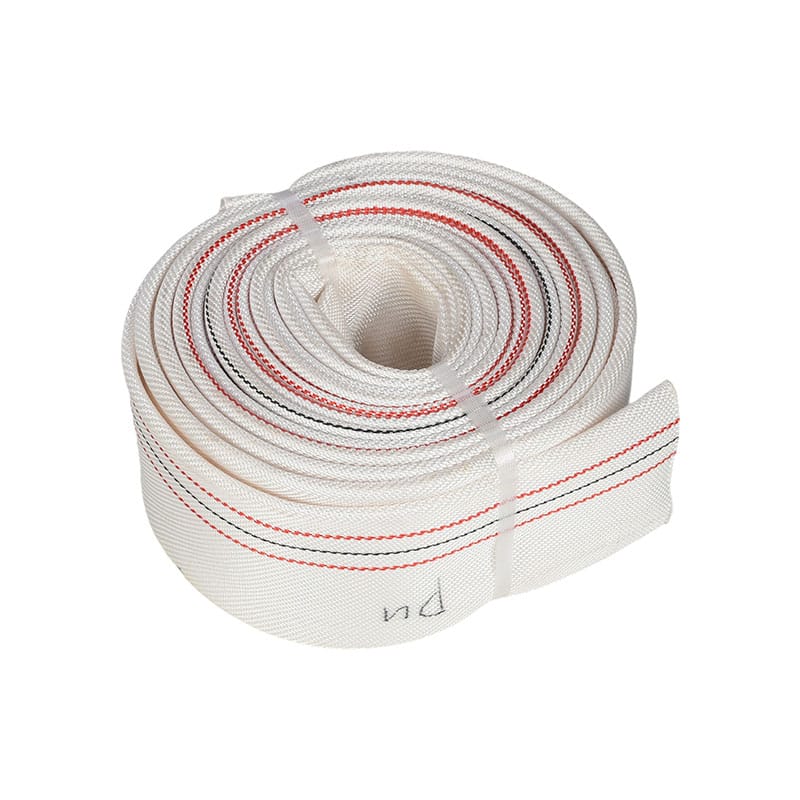
High pressure layflat hoses are essential tools in industrial, agricultural, and firefighting applications. Known for their flexibility, strength, and durability, these hoses allow for efficient water transfer and fluid transportation under high pressure. As a manufacturer of high-quality layflat hoses, we understand the importance of producing hoses that can withstand harsh working conditions while remaining lightweight and easy to handle. Whether you need a hose for irrigation, construction, or emergency firefighting, a high pressure layflat hose is an ideal solution.
Key Advantages of High Pressure Layflat Hose
Superior Durability and Strength
High pressure layflat hoses are reinforced with durable materials such as PVC, TPU, and heavy-duty polyester fabrics. This reinforcement allows them to maintain their shape and performance under extreme pressure, reducing the risk of leaks or bursts compared to standard hoses.
Flexible and Easy to Handle
Despite their strength, these hoses are lightweight and flexible. This makes them easy to roll, unroll, and store, saving both time and effort during deployment. For industries where efficiency matters, this flexibility is a major advantage.
Cost-Effective and Long-Lasting
Investing in a high pressure layflat hose can reduce maintenance costs and downtime. Their long lifespan makes them a cost-effective choice for repeated industrial use, whether for irrigation, water transfer, or firefighting.
Common Applications of High Pressure Layflat Hose
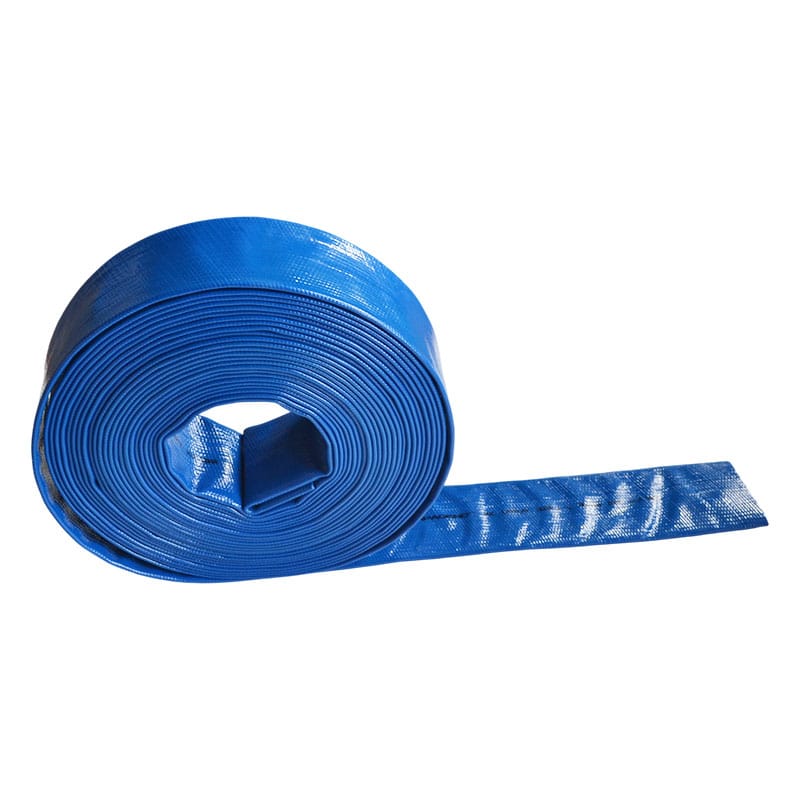
Industrial Water Transfer
These hoses are widely used in factories, construction sites, and industrial plants. Their ability to handle high volumes of water efficiently makes them ideal for heavy-duty operations.
Agricultural Irrigation
High pressure irrigation hoses are crucial for farms, greenhouses, and large-scale irrigation projects. They allow water to be delivered evenly across fields without the need for multiple heavy pipes.
Firefighting and Emergency Use
Custom layflat hoses are often deployed in firefighting due to their ability to deliver large volumes of water quickly. Their lightweight construction allows firefighters to transport and deploy hoses rapidly in emergencies.
Materials and Construction of High Pressure Layflat Hose
High pressure layflat hoses are constructed from a combination of PVC, TPU, and reinforced polyester fabrics. The materials used determine the hose’s:
- Working pressure capability
- Flexibility and durability
- UV and chemical resistance
Manufacturers often provide custom layflat hose options for specific applications, such as fire safety, industrial use, or agricultural irrigation. Choosing the right material ensures safety and longevity under the intended operating conditions.
How to Choose the Right High Pressure Layflat Hose
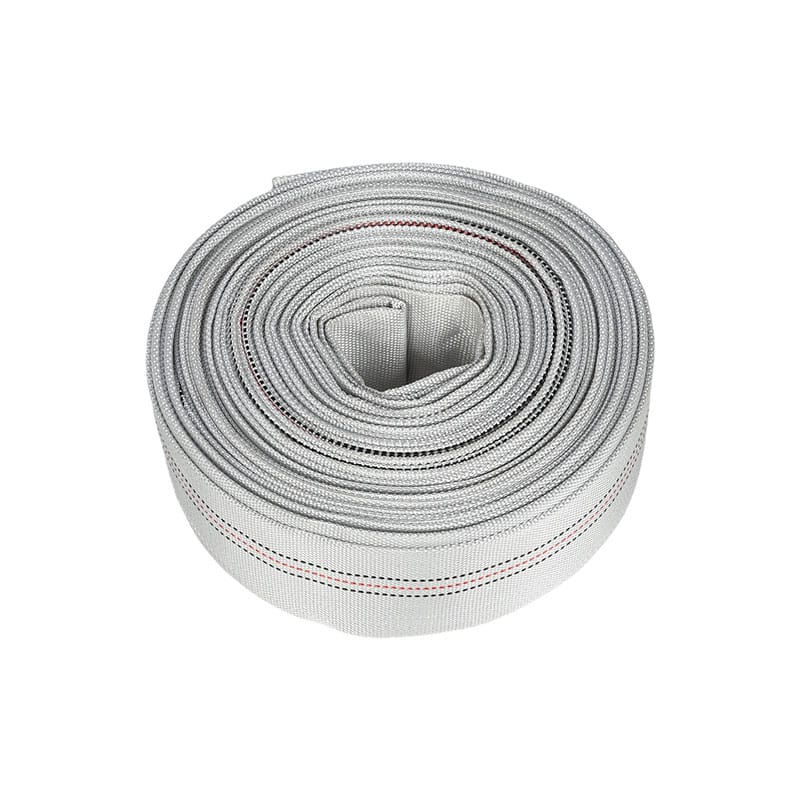
Consider Working Pressure and Diameter
Always match the hose’s working pressure and diameter to your operational needs. For industrial water transfer, higher pressure ratings are essential, while irrigation may require wider hoses for larger flow.
Evaluate Durability and Material Type
Reinforced hoses are ideal for heavy-duty applications. Factors such as UV resistance, chemical resistance, and abrasion protection are critical for long-term performance.
Check Length and Storage Options
Proper hose length ensures efficient operation without unnecessary splicing. Lightweight hoses are easier to store and transport, especially on construction sites or farms.
Installation and Maintenance Tips
Proper installation and regular maintenance are key to maximizing the lifespan of a high pressure layflat hose:
- Rolling and unrolling: Avoid sharp bends to prevent kinks.
- Storage: Keep the hose in a dry, shaded area to prevent UV damage.
- Cleaning: Flush the hose after use to remove debris and prevent internal wear.
- Inspection: Regularly check for leaks, cracks, or abrasions.
Troubleshooting Common Problems
Even high-quality layflat hoses may encounter issues if not handled properly. Common problems include:
- Leaks: Usually caused by abrasion or punctures. Repair kits or replacement sections can fix minor damage.
- Pressure Drops: Can occur if the hose is too long or blocked. Ensure the hose diameter matches the pump output.
- Wear Points: Frequent kinks or dragging over rough surfaces can weaken the hose. Using hose sleeves or protective mats can reduce wear.
Safety Precautions: Always release pressure before disconnecting hoses, and avoid sharp bends under high pressure.
High Pressure Layflat Hose Specification Table
| Feature | Specification | Recommended Use |
|---|---|---|
| Material | PVC / TPU / Reinforced Polyester | Industrial, Irrigation, Firefighting |
| Working Pressure | 10–25 Bar (varies by model) | Medium to High Pressure Applications |
| Diameter | 1″ – 12″ | Water Transfer, Irrigation, Firefighting |
| Temperature Range | -10°C to 60°C | Standard Operating Conditions |
| Custom Options | Available | Firefighting, Industrial, Agricultural |
Why Choose a Manufacturer-Direct Supplier
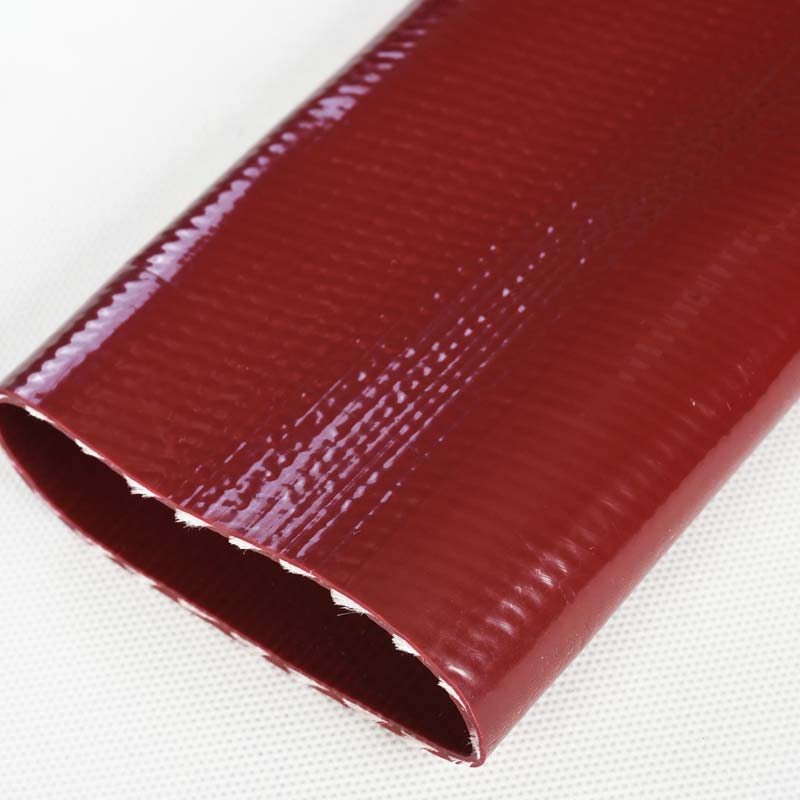
Purchasing directly from a manufacturer ensures:
- High-quality materials tailored for durability
- Customizable sizes, diameters, and colors to meet specific needs
- Competitive pricing without middlemen
- Technical support and warranty for long-term reliability
By working with a manufacturer, you can access industrial hoses that are designed for efficiency, safety, and longevity.
Conclusion
High pressure layflat hoses are versatile, durable, and cost-effective solutions for industrial water transfer, agricultural irrigation, and firefighting applications. As a manufacturer, we provide high-quality, customizable hoses that meet demanding working conditions while ensuring safety and efficiency. By understanding the advantages, applications, and maintenance requirements, you can select the right high pressure layflat hose for your needs. For industrial or specialized applications, purchasing directly from a manufacturer guarantees quality, customization, and long-term support.
FAQ
What is the maximum pressure for high pressure layflat hoses?
Most industrial high pressure layflat hoses handle 10–25 bar, but reinforced hoses can go higher depending on material and construction.
Can these hoses be used for chemicals?
Yes, certain PVC and TPU hoses are resistant to a wide range of chemicals. Always check material compatibility.
How long does a high pressure layflat hose last?
With proper maintenance, hoses can last several years even under heavy use.
Can we order custom sizes and colors?
Absolutely. Manufacturers often provide custom options for diameter, length, pressure rating, and color.